Mijn moeder heeft mij regelmatig over haar oom Koenie verteld. Ze zei dan dat hij naar Amerika was gegaan, dat hij was gaan zwerven. Hij is de wildernis ingetrokken, zei ze dan,en nooit meer teruggekomen. Ik kon het verlangen in haar stem horen om ook de wereld in te trekken, net als haar oom. Haar verhaal en het feit dat de familie nooit heeft geweten wat er met Conrad, zoals hij zijn brieven ondertekent, is gebeurd hebben mij aangemoedigd om op zoek naar hem te gaan toen ik eenmaal met familieonderzoek was begonnen. Dat viel nog niet mee. Er was werkelijk niks over Conrad Müller te vinden. Op een gegeven moment vond ik een registratiekaart WWI van hem d.d. 5 juni 1917 en we hebben natuurlijk de plaatsnamen van zijn brieven: Coalinga, Sand Pass en Sheepshead. En ik vond meer. Hier is het volledige verhaal.
My mother regularly told me about her uncle Koenie and how he ventured to the United States. “He went into the wilderness”, she said, “He wandered through the wilderness and never came back again.” I could hear a yearning in her voice to travel the world herself, like her uncle. Her story and the fact that the family has never known what happened to Conrad has encouraged me to go and search for him once I started exploring our family history. That was not an easy task. There was nothing to be found about Conrad Muller. Here is the full story.
Dit is het verhaal over mijn zoektocht naar de twee Canadese soldaten die aan het einde van de tweede wereldoorlog bij mijn ouders ingekwartierd zijn geweest. Het enige dat ik had waren hun namen, Walter en “Red” en een foto van Walter. Dat was alles. Waar hebben deze luttele gegevens mij gebracht. Dat leest u hier.
Het verhaal begint met de bevrijding van mijn geboortedorp Oostwold, een dorpje in de gemeente Oldambt in de provincie Groningen.
De bevrijding van Oostwold
Uit het verslag van Onno S. Hovinga:
“Deze dag zullen we nooit meer vergeten”. Dat zeiden alle Oostwolmers, toen ons dorp op 15 april 1945 werd bevrijd door een klein groepje Belgische Para’s en Poolse Stoottroepen.
Geallieerde tanks in de Hoofdstraat in Oostwold – Foto: Peter Akkerman
Zaterdag 14 april kenmerkte zich al door troepen Duitsers, die zich terugtrokken op Delfzijl en naar de Duitse bunkers die gelegen lagen bij Fiemel. Vrijwel geen enkele Oostwolmer waagde zich buiten.
‘s Avonds zagen we boven Winschoten tot twee keer toe geallieerde vliegtuigen uit de lucht duiken en begon het op enkele plaatsen te branden. In Winschoten was de strijd begonnen, wisten we toen. Wanneer zouden wij aan de beurt zijn?
Toch gingen we omstreeks twaalf uur naar bed gekleed en al. De volgende dag waren we heel vroeg op. Een laatste groepje Duitse soldaten trok nog met paard en zwaarbeladen wagen voorbij. Toen er niets meer langs kwam ben ik van de Moushörn naar het dorp gereden.
Hotel “De Witte Zwaan” in Oostwold – bron: Privécollectie
Bij Hotel de “Witte Zwaan” was wat te doen. De Duitsers hadden daar een vrachtauto met open laadbak leeg achtergelaten en in brand gestoken. Enkele Oostwolmers waren onder aanvoering van brandstoffenhandelaar Edo de Jong bezig met enig bluswerk. Verder was er weinig te doen, maar onze K.P. (Knokploeg), aangesloten bij de L.O (Landelijke Organisatie) voor hulp aan onderduikers, begon tot leven te komen.”
Einde Citaat.
De commandant van de KP is Edsko Hekman, de jongste broer van mijn (Tinah’s) vader. Als schuilnaam heeft hij Koos aangenomen en deze naam heeft hij zijn hele leven aangehouden. Ik ken hem niet anders dan oom Koos. Tot voor kort wist ik niet dat dit de naam was die hij tijdens het verzet had aangenomen en ook wist ik niet dat hij de commandant van zijn verzetsgroep was.
In overleg met commandant Koos Hekman en na raadpleging van de provinciale commandant van de BS (Binnenlandse Strijdkrachten) besluit Onno Hovinga naar Winschoten te fietsen om de bevrijders te melden dat Oostwold vrij van Duitsers is.
Onderweg wacht hem een onaangename verrassing. Op een gegeven moment worden er granaten richting Winschoten geschoten. Maar door wie?
Na even te hebben geschuild fietst hij weer verder. In Winschoten gaat hij langs bij een contactadres. Hier ziet hij hoe de muur door granaten is geraakt maar dat de granaten niet zijn ontploft, niet op scherp staan.
Van der Veen van de Winschoter Courant, zijn volgende contactadres, is verbaasd dat Oostwold vrij van Duitsers is en dat er toch nog wordt geschoten. Omdat Onno vermoedt dat het hier gaat om proefschoten van de bevrijders om te zien of er nog Duitsers in Winschoten zijn, en zo ja, waar, besluit hij ze tegemoet te fietsen. In Oude Pekela vindt hij Poolse militairen. Deze zijn blij verrast te horen dat Oostwold vrij van Duitsers is. Ze hadden zich voorbereid op een bloedige strijd, niet op een feestje.
Nu hij zijn boodschap heeft afgeleverd wil Onno weer terug naar Oostwold maar dat vinden de Polen geen goed idee. Hij mag wel terug maar dan achter hen, niet voor hen uit. Zij zijn bang verraden te worden. En dus moet Onno wachten want de Polen liggen voor op hun schema en moeten rekening houden met de militairen in Veendam en Muntendam die oprukken naar Delfzijl.
Maar Onno wil niet wachten en blijft aandringen. Hij fietst weer terug naar Winschoten en verder om dan toch weer door Polen te worden tegengehouden. Uiteindelijk krijgt hij het voor elkaar om door te mogen naar Oostwold. De Polen herinneren zich de blije tijding die hij hen kwam brengen en laten hem gaan.
Onno Hovinga vervolgt in zijn verslag:
“Terug in Oostwold vertelde ik mijn belevenissen aan Jan Haan, bij wie de provinciale commandant van de BS ondergedoken had gezeten, en Edo de Jong. Omdat Oostwold nu vrij van Duitsers was en de bevrijders onderweg waren vond Edsko (Koos Hekman) het tijd de straat over te steken naar het huis van zijn ouders. Ze waren ten zeerste verbaasd dat hun zoon zo dichtbij ondergedoken had gezeten.
Vader Hekman had me verteld, toen ik eens een brief van Edsko had gebracht, dat hij dacht dat zijn zoon wel erg ver van huis in een gezonde lucht moest vertoeven, want hij schreef dat hij een paar pond was gegroeid. “Thuis bij het Koediep blijft hij maar erg mager”, zei Pa Hekman.
De bevrijders van Oostwold – Foto: Peter Akkerman
Van twee tot half vijf heerste er die zondagmiddag een serene stilte in het dorp, niemand durfde nog de straat op. Ik moet bij de fam. Hekman op bezoek zijn geweest toen we zeer veel lawaai hoorden op straat. “We zijn bevrijd!”, werd er geroepen. Via de Klinkerweg kwamen de eerste jeeps het dorp binnen rijden bevolkt door Belgische en Poolse militairen. Ze werden voorafgegaan door een Belgische officier, in een correct uniform, zwarte battledress, khaki kleurige broek en zwarte gepoetste laarzen, de rechterhand op de revolver. Al knikkend liet hij ons weten “jullie zijn vrij”.
Hoe het mogelijk is geweest is nauwelijks te begrijpen, maar de Belgen en de Polen waren nog maar enkele minuten in Oostwold of overal hingen de vlaggen uit, feest alom, ook bij de militairen.”
Einde Citaat.
Om zeven uur ‘s avonds wordt de feestvreugde echter wreed verstoord door kanonvuur van de Duitsers, die in de Carel Coenraadpolder hun stellingen hebben betrokken.
Ingeslagen granaatscherven in de gevel van de boerderij “Kloosterheem” van dhr. L. Ebbens – Foto: Peter Akkerman
De boerderij van dhr. L. Ebbens aan de Goldhoorn, de Gereformeerde kerk, de woning op de Prinsenlaan en een aantal woningen aan de oostkant van de Hoofdstraat worden geraakt door rondvliegende granaatscherven.
De hele zondagavond tot in de morgen van maandag 16 april ligt Oostwold onder Duits vuur. Behalve de materiële schade die wordt aangericht, gaan ook nog vier mensenlevens verloren waarvan drie op de Noorderstraat, de buurt die het meest onder vuur lag. Maandagmiddag houdt het vuren op en komt het volk langzamerhand weer naar buiten de straat op.
De Polen blijven een week lang in Oostwold. De Belgen zijn ineens verdwenen. Zij willen niet in het middelpunt van de belangstelling staan. “Wij hebben gedaan wat we moesten doen en daarmee uit”.
De Polen worden afgelost door de Canadezen. Deze laatsten trekken weer verder op om de Duitsers het land uit te jagen. Het gevaar lijkt geweken. Echter, op 24 april komt toch nog een vijandelijke granaat midden in het dorp terecht waarbij een inwoner van Nieuwolda, die op bezoek is bij familie op de Bernhardlaan, dodelijk wordt getroffen.
Door het oorlogsgeweld branden de kapitale boerderijen van de heren O.S. Ebbens en J. Wiersema en de kapschuur van M.J. Nap in de Oostwolderpolder af.
Het is wel duidelijk hoe gevaarlijk het was om in die dagen in april 1945 in Oostwold te zijn. Mijn moeder staat op het punt te bevallen van haar eerste kindje en dus verlaten mijn ouders hun huis aan de Hoofdstraat en gaan naar Midwolda.
Daar wordt op 20 april 1945 mijn zusje, Jantje Anna, geboren.
Als mijn vader van het gemeentehuis terugkomt waar hij zijn dochter heeft aangegeven zegt hij tegen mijn moeder: “Weet je wel wie er jarig is vandaag?” “Nee”, zegt ze. “Hitler”, zegt hij. “Dan rust er geen zegen op dit kind”, zegt zij.
Twintig dagen later, 10 mei 1945, worden mijn ouders ‘s ochtends niet gewekt door het gehuil van hun baby. Als mijn moeder in de wieg gaat kijken ontdekt ze dat haar kindje dood is. Kleine Janneke is die nacht de zogenaamde wiegendood gestorven.
Na de Polen en Belgen komen op 24 april 1945 de Canadezen naar Oostwold. De soldaten worden bij de burgers ingekwartierd. Ook bij mijn ouders komen twee soldaten in huis, Walter en “Red”. Walter de stille van de twee. Als hij eten meebrengt zet hij het zonder iets te zeggen in de keuken neer. Mijn moeder zou het later wel vinden. Maar als “Red” iets meeneemt dan wordt alles wat hij heeft weten te bemachtigen op tafel uitgestald. Dat is alles wat we van ze weten. Dat, en dat ze uit Canada komen.
Walter in battledress – Bron: Privécollectie
Van Walter hebben we nog een foto waarop hij staat in zijn battledress, zijn nette pak zou je kunnen zeggen. Ieder jaar haalde mijn moeder deze foto tevoorschijn. Ieder jaar zette ze de foto en de Nederlandse vlag in de vensterbank voor het raam als eerbetoon aan haar bevrijders. Dat heeft ze haar hele leven gedaan.
Canadese doos met Maple Leaf – Foto: Privécollectie
Als tastbare herinnering is er nog een doos, een doos waar altijd mijn bouwblokjes in hebben gezeten. Op de deksel is een voelbare afbeelding van de Maple Leaf. Het is een doos waarin koekjes werden verpakt. Er staat nog op te lezen: Smith Crafted Chicago.
Of er weleens naar deze jongens is gezocht weet ik eigenlijk niet.
Maar op een gegeven moment besluit ik het erop te wagen. En zo begint een zoektocht naar de onbekende Walter van de foto in de laatste week van maart 2018.
Mijn eerste stap is de foto naar Peter Akkerman te sturen. Peter is beheerder van Historisch Oostwold Oldambt, weet veel van de plaatselijke geschiedenis en heeft jarenlang in dezelfde straat gewoond als mijn ouders. Hij heeft met eigen ogen gezien dat er ieder jaar vanaf 15 april een foto met een Canadese soldaat erop voor het raam stond bij mijn ouders. Ik stuur hem de foto ter verificatie. Hij bevestigt dat dit inderdaad de foto is. Dit is Walter.
Hoofdstraat 16 in Oostwold – Foto: Privécollectie
Walter, die in het huis heeft gewoond waar ik geboren ben. Hij heeft daar bij mijn ouders gewoond, heeft met hen gesproken, heeft eten voor ze meegebracht. Waar sliep hij eigenlijk, en “Red”. Was ‘t op zolder of in het kamertje waar mijn zus en ik later sliepen? Waarom weten we dat eigenlijk niet. Ik kan het nu niet meer vragen.
Nu ik weet dat de foto van Walter is moet ik zien te achterhalen van welk regiment hij deel uitmaakte.
Citaat: “Op 24 april 1945 brengt Luitenant-kolonel G.C. Corbould, de commandant van het Canadese Westminster regiment een bezoek aan het hoofdkwartier (H.Q.) van de “Royal Winnipeg Rifles’’ in Oostwold (voormalig Hotel de Witte Zwaan, omstreeks 1970 afgebroken) voor informatie. Omdat de Royal Winnipeg Rifles nog maar kort in de omgeving zijn hebben ze niet veel informatie beschikbaar.
The official insignia of The Royal Winnipeg Rifles Infantry Regiment – bron: Wikipedia
Spoedig wordt daarom door Captain E.V. Ardagh een verkenning in dit gebied gemaakt om te kijken naar een plaats waar men zich veilig kan concentreren. Het overgrote deel van de “Westminsters’’ zit op deze 24ste april nog in Bedum en vertrekt om 09:15 uur in de morgen.
Om 11:15 uur komen alle commandanten van de verschillende compagnies en andere ondersteunende eenheden bijeen in Oostwold om het gebied in studie te nemen. Zoals ze nu zelf kunnen zien is het gebied hier zeer vlak en open met weinig of geen vuur- en zichtdekking. Met deze gegevens in het achterhoofd wordt het aanvalsplan besproken.
De A-Compagnie gaat om 18:00 uur als eerste in de aanval. Om 20:20 uur bereiken de eerste militairen het eerste doel met de codenaam “Granville”. Het is aan het punt waar de Lipskerweg bij de Midden- of Groenedijk komt (Lutje loug) aan het eind van de Polderweg ten noorden van Oostwold. De A-compagnie bereikt het doel zonder noemenswaardige moeilijkheden.
De C-Compagnie vertrekt iets later uit Oostwold rond 19:30 uur en komt ook in hetzelfde gebied zonder moeilijkheden aan. Af en toe vuurt de Duitse artillerie van “Batterie Dollart-Sud” op de troepen, de Canadezen zijn dus wel door de Duitsers opgemerkt. De Batterie ligt in de Carel Coenraadpolder aan hun rechterhand bij de dijk.
Kaart Noord-Oost Groningen – Google Maps
Rond 20:30 uur gaan Captain E.V. Ardagh en de verbindingsofficier Luitenant J.A. Fowlie vooruit om een “Tactical Headquarters” in te richten. Dit hoofdkwartier (HQ) is een vooruitgeschoven commandopost met gevechtsleiding van het regiment. Men heeft verbinding met het regimentshoofdkwartier en verder met de verschillende compagnieën en eenheden in de voorste gelederen.
Het regiment ligt rond middernacht in positie om de volgende dag de aanval richting Woldendorp in te zetten. Dit zoveel mogelijk als verrassing om te voorkomen dat ze zwaar onder vuur komen te liggen van de Duitse artillerie. Men kan zoals ook nu nog steeds in dit vlakke land met weinig bebouwing, kilometers ver zien. Gelukkig zijn de weinige bomen en struiken ongeveer geheel in blad en zijn er verder enkele huizen en boerderijen waar men in zichtdekking kan verblijven. Verder heeft men zicht- en vuurdekking van slootkanten en kanaalzijden en van de dijken en polders.
Het zware granaatvuur van de Duitse kustbatterijen zal hen de komende dagen danig parten spelen, want huizen geven buiten de aanwezige kelders hiertegen vrijwel geen bescherming. Het vervelende hiervan is, dat bijna elk huis, boerderij, schuur, bosje of hegje door de Duitsers wordt beschoten, waardoor er vele bebouwingen in brand raken.” Einde citaat.
Peter Akkerman kan zich veel herinneren uit de verhalen van zijn vader en zo weet hij mij te vertellen dat het Westminster Regiment in Oostwold gepositioneerd is geweest. Daarom zoek ik als eerste naar dit regiment. The Royal Westminster Regiment Association vind ik op Facebook. Ik laat een berichtje achter, de eerste van vele die nog zullen volgen, waarin ik de situatie uitleg en de vraag stel of iemand mij kan helpen bij mijn zoektocht naar Walter.
Tot mijn verbazing krijg ik al snel antwoord van kapitein Marguerite Samplonius. Het is me al eerder opgevallen dat mensen in de Verenigde Staten en Canada zeer behulpzaam zijn bij het zoeken naar informatie over mensen als ze weten dat je uit Nederland komt. Nederland heeft kennelijk een speciaal plekje in de harten van Amerikanen en Canadezen. Velen stammen dan ook af van Nederlanders.
Ook kapitein Samplonius reageert heel hartelijk en enthousiast en is zeker bereid om me te helpen. Haar eigen voorouders komen uit Friesland. Ze stuurt mijn berichtje en foto door naar Terry Leith van het Royal Westminster Regiment Historical Museum. Mr. Leith laat mij weten dat Walter niet bij de Westminsters heeft gezeten maar bij de Governor General’s Horse Guards. Dit kan hij zien aan het embleem op zijn pet. En dus verleg ik mijn aandacht naar de GGHG.
Citaat: “De 3rd Armoured Reconnaissance Regiment (3 Recce, “The Governor General’s Horse Guards”) was een legeronderdeel van de 5th Armoured Division, 5th Armoured Brigade, en scheept zich op 9 oktober 1941 in Canada in voor vertrek naar Engeland.
Op 19 december 1943 komen ze in Italië aan. Op 20 februari 1945 verplaatst het regiment zich, samen met het 1e Canadian Corps, naar Noordwest-Europa als onderdeel van Operation Goldflake waar zij tot het einde van de Tweede Wereldoorlog zullen vechten. Het regiment wordt op 31 januari 1946 ontbonden en heeft 71 slachtoffers en 210 gewonden opgelopen.” Einde citaat.
Ik schrijf een berichtje naar de Governor General’s Horse Guards en zij beloven mij mijn bericht met foto in de eerstvolgende nieuwsbrief op te nemen. Ze hebben weinig hoop want vele veteranen zijn inmiddels overleden. Ik struin nog wat rond op de website van de GGHG Society en vind daar het volgende bericht:
From: Governor General’s Horse Guards/Our Stories
November 23rd, 2015
Walter Elliot Lee – Foto: Monica La Vella
My name is Monica and my grandfather fought in WW2. His name was Walter Elliot Lee and he passed away about 12 years ago. He was such a lovely man!
He never told us any stories about the war, but I know he was a part of the Governor General’s Horse Guards and fought mainly in Italy and the Netherlands, being a part of the Canadian forces that helped liberate the Netherlands. I am told he was either in B or C-squadron and was in charge of tanks.
I know this might be a long shot, but I was wondering if there was any information on him that may be in any historical documents? Or anyone alive who fought alongside him that I would be blessed to be able to speak to?
We are a homeschooling family and we are compiling a history of our family. We would be honoured to find out anything else about my grandfather’s role.
I would LOVE to hear stories about what he did or to hear from those he fought alongside. I’m determined to know anything I can find out, as there isn’t much we know. I want my children to know the important role of their great-grandfather and the bravery from which we came.
If there is any way you are able to help or can pass me along to someone/some place that can, it would be so greatly appreciated!
Monica La Vella
Mijn hart gaat sneller kloppen. Hier is een Walter die bij de Governor General’s Horse Guards zat, net als de Walter op mijn foto. Zou ‘t hem zijn?
Ik stuur Monica een bericht met de foto van onze Walter. Ze komt snel terug met een blije enthousiaste reactie. De foto heeft ze naar haar vader doorgestuurd. Deze laat ons weten dat de man op de foto niet zijn vader is.
Dat is teleurstellend. Toch gaan wij samen verder zoeken want Monica’s grootvader en onze Walter hebben allebei deel uitgemaakt van de GGHG.
Huls met opschrift “Termunten 1944” – Foto: Monica La Vella
Monica vertelt dat ze een huls heeft waarop “Termunten” staat. Ik zeg, “dan heeft hij in het Noorden van Nederland gevochten.”
Ook heeft ze een boek van de GGHG, Second to None, waaruit ze kopieën opstuurt over het moment waarop de GGHG van Italië naar Nederland optrok en de soldaten bij families ondergebracht werden. Tijdens het schrijven van dit verhaal, mei 2020, doe ik nog een poging om in contact te komen met de schrijver van dit boek, John Marteinson. Hij is een gepensioneerd kolonel en heeft behalve het boek over de GGHG ook fotoalbums samengesteld. Hem zou ik de onmogelijke vraag willen stellen of hij de man op de foto, Walter, ergens van herkent. Maar Kolonel Marteinson is helaas in 2006 al overleden.
Monica’s tante vindt een fotoalbum van Walter Lee waarin o.a. foto’s die in Nederland zijn gemaakt: Voor een hotel in Assen en van Fort Delfrl, nog 2 letters. “Delfzijl”, zeg ik. “Dan heeft hij meegevochten in de strijd om Delfzijl-Pocket!”
Fort Delfzijl – Foto: Monica La Vella
De foto van het fort vindt Monica terug op de website van Battlefieldtours in een artikel over de strijd om Delfzijl-Pocket.
Haar grootvader Walter Lee is in het Noorden geweest. Dat moest ook wel zo zijn want ook onze Walter is van de Governor General’s Horse Guards en was bij ons in het Noorden. Ik stuur de trouwfoto van mijn ouders. Mochten ze op een foto staan dan zijn ze makkelijk te herkennen. Maar ze worden niet gespot.
Dat Monica’s grootvader in het Noorden is geweest leidt geen twijfel. We hebben de huls met Termunten erop en de foto’s in zijn fotoalbum, met name die van Fort Delfzijl die overeenkomt met de foto in het artikel over de strijd om Delfzijl-Pocket.
Dan doet Monica nog een ontdekking die het bewijs sluitend maakt dat haar grootvader Walter Elliot Lee betrokken was bij de slag om Delfzijl-Pocket.
Ze schrijft op 30 maart 2018:
I just found a very old newspaper clipping that my grandpa had cut out and placed inside one of his old books. It is about the battle at Delfzijl and mentions my grandfather’s name as W E Lee. It also named a few more men that I’m wondering might give you a clue to your war hero.
Another name it mentions is Captain W S Jamieson from Toronto. I wonder if he could have also been a Walter?
This is the only clue I have found today 🙂
W S Jamieson is niet onze Walter, want Walter was geen kapitein maar korporaal.
Terwijl wij ons met Walter Elliot Lee bezighouden ontvang ik een berichtje van Peter Akkerman. Hij heeft een ongeopende envelop gevonden, een niet verstuurde brief die door zijn vader is geschreven en gericht aan de militair die bij hen ingekwartierd is geweest. Op de envelop staat een adres in Canada:
De ongeopende envelop – Foto: Peter Akkerman
Ik schrijf naar familie in Canada en naar Monica en laat een berichtje achter op de FB-pagina van Friends of Hutchison Street, de straat waar soldaat Stanley heeft gewoond. Ook schrijf ik weer naar de Westminsters en naar GGHG.
Ik breng Jarko op de hoogte die met me meezoekt. Jarko en ik hebben elkaar gevonden toen ik in 2016 familieonderzoek ging doen. Hij is een kei in het vak. Ik noem hem topdetective.
Verder schrijf ik naar verschillende websites, zoals Battlefieldtours.nu, go2war2.nl, tracesofwar.com en Veterans Affairs.
Ik vraag mij af of er een archief is waarin genoteerd staat welke militairen bij welke inwoners van Oostwold ingekwartierd waren. Ik vraag het de Gemeente Oldambt en zij verwijzen me naar het Cultuurhistorisch Centrum Oldambt. Helaas is er niets te vinden.
Op 3 april 2018 heeft Jarko een Walter “Red” Asseltine gevonden. Walter van de foto is korporaal, gezien de strepen op zijn mouw. “Red is dat ook. Het is opvallend dat hij Red wordt genoemd en weer gaat mijn hart sneller kloppen. Zouden we op het spoor van Red zijn?
Ik vind het overlijdensbericht van Reds vrouw en ontdek twee dochters. Ik schrijf een berichtje via Facebook aan een van hen en ook naar het William Osler Health Center, het ziekenhuis waar Red Asseltine is overleden. Zij zullen mijn berichtje doorsturen naar de familie. Ook benader ik nog iemand van de hockeyclub waar Red bij was.
Dan vindt Jarko de stamboom van Walter “Red” Asseltine, gemaakt door zijn dochter Susan. Ik schrijf haar een bericht en zij stuurt mij een mail. En dan komt Red Asseltine tot leven.
Corporal Walter “Red” Asseltine leans against a carrier in Holland in 1945 – bron: Ted Brown
The Reluctant Hero, by Ted Brown
The year was 1945.
Fighting had been fierce in Europe as the German army mounted what would ultimately become its last stand before being forced to surrender later that spring.
It was April 16, and in the town of Otterloo in Holland, the Irish Regiment of Canada was responsible for defending this town, a key point of advance for the 5th Canadian Armoured Division and the location of the Divisional Headquarters. It was an important piece of real estate in Holland at that moment.
Personnel of The Irish Regiment of Canada standing in front of a German roadblock and anti-tank ditch, near Otterloo, Netherlands, 16 April 1945.
During the night of April 16, and into the early hours of the 17th, a force of about 1,000 German troops supported by self-propelled guns attacked the town. As the night progressed, about 300 of the enemy worked their way into a vital sector of the town, and were dug-in along the road. It was not a good situation— the Irish Regiment was in an extremely precarious position.
A young corporal who hailed from Cabbagetown Toronto, was ordered to clear the enemy troops from the area. Only 25 years of age, he was a member of the carrier platoon, an outfit of 10 men responsible for transporting and fighting with flame throwing carriers, commonly referred to as WASPs. They were also armed with deadly Bren machine guns.
WWII – British – Universal Carrier Wasp IIC Flamethrower (Canadian version) – (Canadian War Museum, Ottawa, Canada)
According Regimental records, three carriers moved into the area, with the Cabbagetown corporal leading the way. In seconds, all three were hit with intense small arms fire, coming in from three sides, often at point blank range of four to five yards.
The corporal ignored the enemy fire, and opened fire with the flamethrower, spraying the ditches and the trenches on both sides of the road. It wasn’t a pretty sight as the flames cut through the darkness, leaving devastation and carnage in their wake.
Thirty yards up the road, a concealed enemy bazooka position opened fire on the carrier platoon— the second carrier was knocked out of action. The corporal saw the situation had become very serious— his colleagues were in extreme danger if that bazooka continued firing.
Grabbing a Bren gun, he rushed the position, and as the .303 rounds poured out of the barrel of the small gun, he emptied the clip into the crew of the bazooka, killing all of them in one deadly single burst. It was foggy- visibility was limited to 50 yards, yet he continued with the carrier, with complete disregard for his own welfare, continuing up the road for another 300 yards, until the fuel of the flame thrower ran out. He returned, picked up the crew of the disabled carrier, and returned to HQ to refuel.
As a result of that attack, the enemy was thrown into a state of panic. The key position had been swept clean, and returned to the Irish Regiment. By the time the early light of dawn seeped through the fog, 70 enemy troops lay dead along that road, and many others lay wounded. Demoralized by the dramatic change in the strategic picture, the enemy cleared out of the town, and the Irish Regiment of Canada once again held the town.
Distinguished Conduct Medal (DCM) source: Veterans Affairs Canada
For his bravery and quick thinking, that Cabbagetown corporal was to be presented with the Distinguished Conduct Medal, or DCM as it was affectionately called. Some members of his regiment, so thankful for his bravery, felt the Victoria Cross was in order.
But that soldier, Corporal Walter Asseltine, known to his outfit by the nickname Red, (a tribute to his flaming head of hair,) wasn’t feeling very good about himself. Ultimately, he had been responsible for the deaths of many more than the 70 enemy soldiers who had come into direct contact with his platoon. Many others had been driven out of their positions into the sights of the other infantry soldiers.
According to an account in the book The Irish Regiment of Canada, 1939-45, by Maj. Gordon Wood, the overall total enemy casualties from the fight was closer to 200, with 22 taken prisoner.
Walter Asseltine voelde zich geen held: “I’m not a hero. Any man that volunteered and went overseas was a hero”.
Vanwege zijn vlammend rood haar werd hij door iedereen “Red” genoemd, door familie en vrienden, mensen uit de hockeywereld en zelfs door de majoor van zijn regiment. Hij was voor iedereen gewoon “Red”. Zijn dochter bevestigt dit. Iedereen kende haar vader als “Red”. Ook mijn ouders hebben het altijd over “Red” gehad. Ze hadden twee jongens in huis, Walter en “Red”. Dat “Red” ook Walter heette wisten wij niet.
Als ik de foto van Red waarop hij bij zijn Brengun carrier staat aan Peter Akkerman laat zien zegt hij dat deze foto naar alle waarschijnlijkheid in Oostwold is genomen. Je moet wel heel goed kijken, zegt hij, maar hij herkent de plek. Het afweergeschut stond op de Goldhoorn en Peter meent de plek te herkennen.
Voor mij is het (zo goed als) zeker dat ik “Red” heb gevonden, dat Walter “Red” Asseltine onze “Red” is. Walter en “Red”, allebei korporaal, hebben bij mijn ouders in huis gewoond.
Insignia of “The Governor General’s Horse Guards” and “The Irish Regiment of Canada” – bron: Wikipedia – Pipesforfreedom
De legeronderdelen waar zij bij dienden, “The Governor General’s Horse Guards” en “The Irish Regiment of Canada”, vallen onder dezelfde commandostructuur nl. The 5th Canadian Armoured Division. Ook “The Irish Regiment of Canada” verplaatst zich, net als “The Governor General’s Horse Guards”, op 20 februari 1945, samen met het 1e Canadian Corps, van Italië naar Noordwest-Europa als onderdeel van Operation Goldflake.
Beide onderdelen, “The Irish Regiment of Canada” en “The Governor General’s Horse Guards”, zijn in de nacht van 16 op 17 april 1945 betrokken bij “de slag bij Otterlo”. Een woeste aanval van manschappen van drie Duitse divisies op dit dorp als vastberaden poging om de ‘veiligheid’ van West-Nederland te bereiken.
“The Irish Regiment of Canada” neemt posities in het westelijk deel van het dorp en de tanks van “The Governor General’s Horse Guards” stellen zich op in verschillende hoeken van het dorp. Plotseling werd Otterlo omgevormd tot een slagveld als honderden Duitse soldaten, losjes georganiseerd in gevechtsgroepen, door het dorp stormen, granaten gooien en in het wilde weg schieten.
De officieren van “The Governor General’s Horse Guards” waren allen in de Hervormde kerk in Otterlo, toen de aanval begon en werden gedwongen daar te blijven tot de gevechten waren afgelopen. De sergeanten van het regiment en andere onderofficieren hadden geen moeite om de verdediging van hun posities te organiseren, waardoor sommigen zich afvroegen of ze überhaupt officieren nodig hadden.
Andere bronnen vermelden dat het hoofdkwartier (Divisional Headquarters) van de 5th Canadian Armoured Division zich bevond in een school naast de Hervormde kerk in Otterlo. Een Erica school bevindt momenteel nog steeds naast de kerk op het adres Kerkstraat 1.
Vanuit Otterloo zijn ze naar het noorden getrokken, hebben deelgenomen aan de strijd om Delfzijl-Pocket en zijn daarna naar Oostwold en omstreken gegaan waar ze bij de dorpsbewoners werden ingekwartierd.
Gewapend met een foto ben ik op zoek gegaan naar de Canadese soldaten die bij mijn ouders ingekwartierd zijn geweest. De man van de foto, Walter, heb ik niet gevonden. De andere, Red, wel. Tenminste, dat dacht ik.
Het is de zomer van 2021. Ik besluit de papieren van mijn moeder uit te zoeken. Dozen en handtasjes vol kaarten, brieven, documenten, enz. Ik krijg hierbij hulp van dorpsgenote Petra. Op een gegeven moment vinden wij een envelop met brieven, handgeschreven brieven. Petra stelt voor dat zij ze voor me zal uittypen zodat ik ze via de computer kan lezen. Op 2 augustus stuurt ze me een document met brieven gericht aan mijn ouders en ik begin te lezen….
Oct 14, 1945 Mrs. H. Bratherton R.R.I. Varna Ontario, Canada
Dear friends,
I was surprised to have a letter from you bearing foreign postal stamps as I am sure it was very good of you to write us. My husband and I will keep your letter and remember the people who have been good to Walter in a strange land.
We also have another boy in Germany, he was wounded twice in the leg. He was in your country and got wounded trying to cross the Ryhny. Glad to say he is quite well now. Walter is in the army yet and I showed him your letter. He told us all about you and your husband. You have had your trouble.
We just have a schoolboy, John. He is 12 and he is quite pleased to see Walter back again. My word it is wonderful to see Walter looking so good.
I am enclosing you a photo of him. My mother and father are English. My 2 boys were born in England. We came out to Canada 14 years back. Both the boys have had the chance to see all our relatives.
It has been awful wet weather and it is quite a job to get our work done. I see by the papers we are having Dutch bulbs again. The people here sure did miss them.
So goodbye and good luck to you all. Anytime will be pleased to hear again from you.
Your loving friend Mr. and Mrs. H. Bratherton
Ik ben verbijsterd. Hier is een brief van de moeder van Walter, gewoon tussen de papieren van mijn moeder en wij, mijn zus en ik, hebben er nooit iets van geweten. We hebben het er weleens over gehad om de jongens te zoeken maar mijn ouders zeiden altijd dat ze niet wisten waar ze waren. En hier vind ik een brief van Walters moeder met best wel veel informatie over hun gezin.
Nu heb ik een achternaam en ik begin te googelen: Walter Bratherton. Ik vind meteen zijn overlijdensbericht. Daarin kan ik de namen van zijn kinderen lezen. Maar ook weet ik nu wanneer hij is overleden en waar hij is begraven.
Het is een gewoonte van me geworden om dan meteen naar de website Find A Grave te gaan om te kijken of er een gedenkpagina voor hem is gemaakt. Ik vind z’n familie wel, zijn ouders, vrouw en broers maar ik vind er geen van hem zelf. Ik maak een pagina voor hem en verbind hem met de anderen.
Het zou mooi zijn als ik familieleden zou kunnen vinden om alsnog de dankbaarheid van mijn ouders aan hen over te brengen.
Op Ancestry.com vind ik mensen die de Brathertons in hun stamboom hebben. Hen benader ik. Uiteindelijk kom ik in contact met Walters dochter. Zij bevestigt dat haar vader heeft verteld dat hij bij mijn ouders ingekwartierd is geweest maar de naam “Red” kan zij zich niet herinneren. Ik stuur haar de brief van haar oma en enkele foto’s.
Een paar maanden later kom ik in contact met een kleindochter van Walters broer Horace, de broer die ook in Duitsland en Nederland is geweest tijdens de oorlog.
Die middag in augustus 2021 als ik de brief van Mrs Bratherton vind, vind ik nog meer brieven uit Canada, en weer zit ik stil en ben ik verbijsterd. Waarom heeft mijn moeder nooit verteld dat ze in contact is geweest met zowel de familie van Walter als van “Red”. Ik begrijp het niet. Maar deze goed bewaarde schatten worden nu aan mij geopenbaard. Na de brief van Mrs Bratherton vind ik brieven van Elsie DePlanché en zelfs een kort berichtje van…..”Red” Shorrock.
“Red”, daar ben je dan. Een kaart die hij aan mijn vader heeft gestuurd raakt mij het diepst. Hij heeft erop geschreven: “Write me soon “Yellow”, from “Red” Shorrock. Mijn vader heet Jelle. “Red” noemde hem kennelijk “Yellow”.
En dit is wat “Red”‘s zus Elsie mijn ouders heeft geschreven:
Kerstkaart van Harold, Elsie en children Bobby, Patricia and Teddy
Elsie Deplanché December 5, 1946
Dear folks,
I am Gordons’ sister ‘Red’. I hope you are all well. Gord was married on Sept 14th, 1946. I hope you have a merry Christmas. Please let me know if you got this card as I would like very much to hear from you.
Your friend Elsie Deplanché and children
Elsie Deplanché 11 Wellington Street St. Catharines, Ontario, Canada 12 April 1947
Dear friends,
I received our most welcome letter a week ago, but I am very sorry I can’t read Dutch. But a friend of my married a Dutch girl, and she just came over here about a month ago, so she wrote it in English for me. I would like it very much if you would exchange pictures with me, I will send a picture a little later, also something that is very hard for you to get over there. I feel as though I know you people in Holland, as Red has told me so many nice things about you and your wife. What did you call your baby?
We are Catholics in religion. We live in the city but it is a very beautiful city. Did I tell you I saw princess Juliana when she visited our city a few years ago? A very charming person. I might take you up on that invitation someday, as we like to travel. We just came back from California, USA, 2 years ago. We travelled all over USA when my husband was in civil service for the United States of America.
I will show your letter to ‘Red’ just as soon as I see him. Everyone her is just fine, hope you are the same. We still running our furnace, last year at this time it was very warm. I think the weather is changing.
I have another friend I write to in Holland, her name is Nienke Koning, Ooster Kade, Grijpskerk, Groningen. Is this place from where you live?
Well friends I will close now but I will write again. Very best wishes from your friends in Canada.
Sincerely Elsie Deplanché and family.
3 december 1948
Dear friends,
I hope you are all fine. I think of you people often. I got a card from a girl in Holland. She works at ‘Zonnegloren sanatorium, Soest’. Do you know where this place is? Her name is Nienke Koning. Hope some day to see you people.Have a lovely Christmas. We have not any snow yet.
Love from the family, our friend Elsie
Ik ben er stil van. Ik heb zo lang gezocht en hier vind ik “Stemmen” uit het verleden, getuigenissen van een communicatie tussen mijn ouders en de families in Canada. Nooit geweten. Hoe waardevol is dit.
Ik ga op zoek naar familie van “Red”. Ik moet er erg aan wennen om hem nu Gordon te noemen. Het is weer op Ancestry dat ik een kleinzoon van zijn zus Elsie vind. Hij is in eerste instantie de schakel tussen mij en de zoon van “Red’.
Familieonderzoek heeft een echte speurder van me gemaakt en het duurt niet lang of ik vind “Red”‘s zoon. Ik schrijf hem een bericht.
Het moet wel raar voor de familie zijn om ineens, na zoveel jaren, bericht uit Nederland te krijgen met de mededeling dat er lang naar hun vader is gezocht en hoe belangrijk het voor ons is ze eindelijk te hebben gevonden De Canadezen hebben altijd een bepaalde plaats gehouden in de harten van Nederlanders. Dat is voor de mensen van nu in Canada misschien moeilijk te begrijpen. De dochter van Walter Asseltine vertelde me dat de mensen in Canada er geen idee van hebben wat “wij” in Europa hebben doorgemaakt.
En dus is het best spannend om de directe familie van Walter en “Red” te benaderen. Van “Red” vind ik geen overlijdensbericht, wel van zijn vrouw. Van beiden kan ik ook geen gedenkpagina op Find A Grave vinden en dus maak ik ze. Bij familieonderzoek en familiegeschiedenis hoort voor mij ook het maken van gedenkpagina’s, zodat graven digitaal bewaard blijven en de opschriften goed leesbaar blijven. Zodat zij die ons zijn voorgegaan zichtbaar zijn en daardoor blijvend herinnerd kunnen worden.
Van Walter wisten we al bij welk regiment hij diende, The Governor General’s Horse Guards. Van “Red” weten we dat niet.
Gordon “Red” Shorrock – Foto: Danny Shorrock
Ik schrijf naar de GGHG en zij bevestigen dat ook Gordon Shorrock lid was van de GGHG. Walter en hij zaten dus bij hetzelfde regiment. Een opmerkelijk feit is dat Gordon is geboren op 20 april, de datum waarop ook het eerste kindje van mijn ouders is geboren.
Ik bedank de dochter van Walter dat ze mijn post heeft willen beantwoorden. Zij schrijft over haar vader:
“My dad was a good man, and father. Dad built his own home in 1951. Worked in a factory building tires. On retirement he repaired small motors which he loved. He treated my husband like a son.”
Ik bedank Gordon’s zoon voor het contact dat wij nu hebben. Dat is me zeer dierbaar. Hij heeft bevestigd dat het handschrift op de kerstkaart aan mijn vader het handschrift van zijn vader is.
Hij schrijft over zijn vader:
“My dad had a great sense of humour. He loved his family. He was a giving man and very humble. He would sacrifice a lot to help others.”
Gordon “Red” Shorrock – Foto: Danny Shorrock / Walter Bratherton – Foto: Obituary
En ik bedank jullie, “Red” en Walter, voor alles wat jullie voor ons hebben gedaan. Zulke jonge jongens, zo ver van huis, vechtend voor de vrijheid van anderen. Hoe bijzonder is dat. Wij zullen jullie nooit vergeten.
May You Rest In Peace
Ik bedank neef Don en neef Jarko voor de hulp die zij mij hebben geboden, waar nodig.
Bronnen
Dochter van Walter Bratherton
Zoon van Gordon “Red” Shorrock
Onno S. Hovinga, lid van de KP Oostwold
Peter Akkerman, Historisch Oostwold Oldambt
Monica La Vella, kleindochter van Walter Elliot Lee
Susan Asseltine Sage, dochter van Walter “Red” Asseltine
Ted Brown, Local Journalist Georgetown, ON, Canada
Captain Marguerite Samplonius van The Royal Westminster Regiment
Terry Leith van het Royal Westminster regiment Historical Museum
“I’m not a hero. Any man that volunteered and went overseas was a hero” – Walter “Red” Asseltine
In Loving Memory
by Tinah Hekman Visser
This is the story of my search for the two Canadian soldiers who were billeted at my parents’ home at the end of World War II. At the beginning of my research all I had were their names, Walter and “Red” and a picture of Walter. That was all. In this account you will read where these few details led me.
Liberation of Oostwold
The story begins with the liberation of my native village Oostwold, a village in the municipality of Oldambt in the province of Groningen in the Netherlands.
The following details come from the account of Onno S. Hovinga:
“This day we will never forget”. That is what all Oostwolmers said when our village was liberated on April 15, 1945 by a small group of Belgian paratroopers and Polish Storm troopers.
Photo: Allied tanks in the Hoofdstraat in Oostwold – Source: Peter Akkerman
Saturday, April 14, was already marked by the movements of German troops, who retreated to Delfzijl and to the German bunkers located at Fiemel. Virtually no Oostwolmer ventured outside.
In the evening above Winschoten we saw Allied planes dive out of the sky twice, and it started to burn in various places. We knew then that in Winschoten the battle had begun. When would it be our turn?
Finally, around midnight we went to bed fully dressed. The next day we were up very early. The last group of German soldiers passed by with their horses and a heavy loaded truck. When nothing more came along I drove from the Moushörn to the village.
Photo: Hotel “De Witte Zwaan” in Oostwold – Source: Private Collection
At Hotel “De Witte Zwaan” there was something to do. The Germans had left a truck with an open cargo box empty and set it on fire. Some Oostwolmers, led by fuel trader Edo de Jong, were busy with some fire extinguishing equipment. There was little else to do, but our A.P. (assault group), affiliated with the N.O. (National Organization) for helping people in hiding, began to come alive.”
The commander of the A.P. was Edsko Hekman, my [Tinah’s] father’s youngest brother. As a pseudonym he adopted Koos and kept this name all his life. I don’t know him as anything other than Uncle Koos. Until recently, I did not know that this was the name he had adopted during the resistance, nor did I know that he was the commander of his resistance group.
In consultation with commander Koos Hekman and after consulting the provincial commander of the NS (National Forces of the Interior) Onno Hovinga decided to cycle to Winschoten to report to the liberators that Oostwold is free of Germans.
On the way an unpleasant surprise awaited him. At a certain moment shells were being shot in the direction of Winschoten. But by whom?
After taking shelter for a moment he continued cycling. In Winschoten he headed toward his a contact address. Here he saw how the wall has been hit by grenades but that the grenades had not exploded.
His next contact address, Van der Veen of the Winschoter Courant, was surprised to hear that Oostwold was free of Germans and yet that there was still shooting. Because Onno suspected that these were test shots of the liberators to see if there were still Germans in Winschoten, and if so, where, he decided to cycle towards them. In Oude Pekela he found Polish soldiers. These soldiers were pleasantly surprised to hear that Oostwold was free of Germans. They had prepared for a bloody battle, not a party.
Having delivered his message Onno wanted to return to Oostwold but the Poles didn’t think that’s was a good idea. They allowed him to return but behind them, not in front of them. They were afraid to of being betrayed. And so Onno had to wait because the Poles were ahead of their schedule and had to take into account the soldiers in Veendam and Muntendam who were advancing towards Delfzijl.
But Onno did not want to wait and insisted. He cycled back to Winschoten, and further, only to be stopped again by Poles. Finally he managed to get through to Oostwold. The Poles remembered the happy tidings he had brought them and let him go.
Onno Hovinga continues in his account: “Back in Oostwold I told my experiences to Jan Haan, with whom the provincial commander of the NS had been in hiding, and to Edo de Jong. Because Oostwold was now free of Germans and the liberators were on their way, Edsko (Koos) thought it time to cross the street to his parents’ house. They were very surprised that their son had been in hiding so close by.
Father Hekman had told me, when I once brought a letter from Edsko, that he thought his son must have been very far from home in healthy air, for he wrote that he had grown a few pounds. “At home at the Koediep he’d stay very skinny,” said Pa Hekman.
Photo: The liberators of Oostwold – Source: Peter Akkerman
From two o’clock until half past four that Sunday afternoon there was a serene silence in the village, nobody dared to go out on the street. I must have been visiting the Hekman family when we heard a lot of noise in the street. “We are liberated,” people shouted. Via the Klinkerweg the first jeeps entered the village filled with by Belgian and Polish soldiers. They were preceded by a Belgian officer, in correct uniform, black battledress, khaki colored pants and black polished boots, his right hand on the revolver. Already nodding he informed us “You are free!”.
It was hard to understand how it was possible, but the Belgians and the Poles had only been in Oostwold for a few minutes and flags were flying everywhere, celebration everywhere, even among the military.”
At seven o’clock in the evening, however, the revelry was cruelly disrupted by cannon fire from the Germans, who had moved into their positions in the Carel Coenraadpolder.
Photo: Shrapnel in the facade of the farmhouse “Kloosterheem” of Mr. L. Ebbens – Source: Peter Akkerman
The farm of Mr. L. Ebbens on the Goldhoorn, the Christian Reformed church, the house on the Prinsenlaan and some houses on the east side of the Hoofdstraat were hit by flying shrapnel.
Throughout Sunday evening into the morning of Monday, April 16, Oostwold was under German fire. Besides the material damage caused, four lives were lost of which three were on Noorderstraat, the neighborhood that was under the most fire. Monday afternoon the firing stopped, and the people gradually came out onto the streets again.
The Poles stayed in Oostwold for a week. The Belgians had previously suddenly disappeared. They did not want to be the center of attention. “We did what we had to do and that’s the end of it.”
The Poles were relieved by the Canadians. The Canadians moved forward again to chase the Germans out of the country. The danger appeared to be over. However, on April 24 an enemy shell landed in the middle of the village and killed an inhabitant of Nieuwolda, who was visiting relatives on Bernhardlaan. Because of the violence of war the large farms of O.S. Ebbens and J. Wiersema and the barn of M.J. Nap in the Oostwolderpolder were burnt down.
It is clear to me [Tinah] how dangerous it was to be in Oostwold in those days in April 1945. My mother was about to give birth to her first child, and so my parents left their house on Hoofdstraat and went to Midwolda. There on April 20, 1945, my sister was born, Jantje Anna, named after her mother, grandmother, great-grandmother, great-aunt and aunt.
When my father returned from the town hall where he registered the birth of his daughter he said to my mother, “Do you know who’s birthday it is today?” “No,” she said. “Hitler’s,” he replied. “Then there is no blessing on this child,” she said sadly.
Twenty days later, May 10, 1945, my parents were surprised not to be awakened in the morning by the cries of their baby. When my mother went to look in the crib she found that her baby had died. Little Janneke died that night of what is known as crib death.
After the Poles and Belgians left, the Canadians arrived in Oostwold on April 24, 1945. The soldiers were billeted in the civilians’ homes. Two soldiers, Walter and “Red,” came to live at the home of my parents. Walter was the quiet one of the two. When he brought food he put it down in the kitchen without saying anything. My mother would find it later. But if “Red” brought something then everything he managed to get was displayed on the table. That’s all we knew about them. That, and that they were from Canada.
Photo: Walter in battledress – Source: Private Collection
Of Walter, we still have a picture of him standing in his battledress, his neat suit, you could say. Every year my mother would bring this picture out. Every year she put the picture and the Dutch flag in the window sill as a tribute to her liberators. She did that all her life.
Photo: Canadian box with Maple Leaf – Source: Private Collection
Another souvenir of our Canadian liberators is “my Canadian box” that always held my building blocks. Today its holding other treasures. On the lid is a raised Maple Leaf. Its original use was as a box in which cookies were packed. One can still read the writing on it: Smith Crafted, Chicago.
I don’t really know if anyone has ever done research on who these young guys were. But at some point I decided to take a chance. And so in the last week of March 2018 I begin the search for the unknown Walter of the photo.
My first step is to send the photo to Peter Akkerman. Peter is administrator of Historical Oostwold Oldambt, knows a lot about local history, and has lived for many years on the same street as my parents. He saw with his own eyes that every year from April 15 a picture of a Canadian soldier appeared in the window of my parents’ house. I send him the photo for verification. He confirms that this is indeed the photo. This is Walter.
Photo: Hoofdstraat 16 in Oostwold – Source: Private collection
I begin thinking about Walter, who lived in the house where I am born. He lived there with my parents, talked with them, brought food for them. Where did he and “Red” actually sleep? Was it in the attic or in the little room where my sister and I slept later? Why is it that we really never knew? I can’t ask anyone anymore.
Now that I know the photo is of Walter I have to find out which regiment he belonged to.
Through research I learn that on April 24, 1945, Lieutenant Colonel G.C. Corbould, the commander of the Canadian Westminster regiment visited the headquarters (HQ) of the “Royal Winnipeg Rifles” in Oostwold (former Hotel “de Witte Zwaan,” demolished around 1970) for information. Because the Royal Winnipeg Rifles had only been in the area for a short time, they do not have much information available.
Photo: The official insignia of The Royal Winnipeg Rifles Infantry Regiment – Source: Wikipedia
Soon, therefore, a reconnaissance is made by Captain E.V. Ardagh in this area to look for a place to gather safely. The vast majority of the “Westminsters” are still in Bedum on this 24th of April, and they leave at 09:15 in the morning.
At 11:15 all the commanders of the various companies and other supporting units meet in Oostwold to study the area. As they can now see for themselves, the area here is very flat and open with little or no fire and visibility cover. With this information in mind, the plan of attack is discussed.
At 18:00, the A Company goes first into the attack. At 20:20 the first soldiers reach the first target with the code name “Granville”. It is at the point where the Lipskerweg joins the Midden- or Groenedijk (Lutje loug) at the end of the Polderweg north of Oostwold. The A Company reaches the objective without any significant difficulties.
The C Company leaves Oostwold a little later around 19:30 and also arrives in the same area without any difficulties. Now and then the German artillery of “Batterie Dollart-Sud” fired on the troops, so the Canadians were noticed by the Germans. The Batterie is situated in the Carel Coenraadpolder on their right hand side near the dike.
Map Noord-Oost Groningen – Google Maps
Around 20:30 Captain E.V. Ardagh and the liaison officer Lieutenant J.A. Fowlie move forward to set up a “Tactical Headquarters”. This Headquarters (HQ) is a forward command post with combat control of the regiment. One is connected to the regimental headquarters and further to the various companies and units in the forward ranks.
The regiment is in position around midnight to start the attack towards Woldendorp the next day. This strategy serves as much as possible as a surprise tactic to avoid coming under heavy fire from German artillery. One can see for miles and miles, as is still the case today in this flat land with few buildings. Fortunately, the few trees and bushes are almost completely leafy and there are also a few houses and farms where one can stay in sight cover. Further, one has sight and fire cover from ditch banks and canal sides and from the dikes and polders.
The heavy shellfire from the German coastal batteries will play havoc with them in the days to come, as, apart from the cellars, the houses provide almost no protection against it. The annoying thing about this is that almost every house, farm, barn, bush or hedge is shot at by the Germans, causing many buildings to catch fire.
Peter Akkerman remembers a lot from his father’s stories and so he tells me that the Westminster Regiment was positioned in Oostwold. That is why I do research for this regiment first. I find The Royal Westminster Regiment Association on Facebook. I leave a message, the first of many to follow, explaining the situation and asking if anyone can help me in my search for Walter.
To my surprise, I soon receive a reply from Captain Marguerite Samplonius. I have noticed before that people in the United States and Canada are very helpful in looking for information about people if they know you are from the Netherlands. Apparently the Netherlands have a special place in the hearts of Americans and Canadians. Many are therefore descendants of the Dutch.
Captain Samplonius also responds very warmly and enthusiastically and is certainly willing to help me. Her own ancestors come from Friesland. She forwards my message and photo to Terry Leith of the Royal Westminster Regiment Historical Museum. Mr. Leith lets me know that Walter was not with the Westminsters but with the Governor General’s Horse Guards. He can tell this by the emblem on his cap. And so I shift my attention to the GGHG.
The 3rd Armoured Reconnaissance Regiment (3 Recce, “The Governor General’s Horse Guards”) was an army unit of the 5th Armoured Division, 5th Armoured Brigade, and embarked in Canada on October 9, 1941 for departure to England. On December 19, 1943, they arrived in Italy. On February 20, 1945, the regiment, along with the 1st Canadian Corps, moves to Northwestern Europe as part of Operation Goldflake where they will fight until the end of World War II. The regiment is disbanded on January 31, 1946, having suffered 71 casualties and 210 wounded.
I write a note to the Governor General’s Horse Guards, and they promise to include my message with photo in the next newsletter. They have little hope because many veterans have died. I rummage around on the website of the GGHG Society and find the following message:
From: Governor General’s Horse Guards/Our Stories
November 23rd, 2015
Photo: Walter Elliot Lee – Credit: Monica La Vella
My name is Monica and my grandfather fought in WW2. His name was Walter Elliot Lee and he passed away about 12 years ago. He was such a lovely man!
He never told us any stories about the war, but I know he was a part of the Governor General’s Horse Guards and fought mainly in Italy and the Netherlands, being a part of the Canadian forces that helped liberate the Netherlands. I am told he was either in B or C-squadron and was in charge of tanks.
I know this might be a long shot, but I was wondering if there was any information on him that may be in any historical documents? Or anyone alive who fought alongside him that I would be blessed to be able to speak to?
We are a homeschooling family and we are compiling a history of our family. We would be honored to find out anything else about my grandfather’s role.
I would LOVE to hear stories about what he did or to hear from those he fought alongside. I’m determined to know anything I can find out, as there isn’t much we know. I want my children to know the important role of their great-grandfather and the bravery from which we came.
If there is any way you are able to help or can pass me along to someone/some place that can, it would be so greatly appreciated!
Monica La Vella
My heart starts to beat faster. Here is a Walter who was with the Governor General’s Horse Guards, just like the Walter on the picture. Would it be him? I send Monica a message and include the photo of our Walter. She comes back very quickly with an enthusiastic reaction. She has forwarded the photo to her father. He let us know that the man on the picture is not his father. Very disappointing but we continue searching together for Monica’s grandfather and our Walter both who had participated the GGHG.
Photo: Shell with “Termunten 1944” on it – Source: Monica La Vella
Monica shares that she has a shell with “Termunten 1944” on it. I say: “Then he has been fighting in the north of the Netherlands”. She also has a book about the GGHG, “Second to None”, from which she sends me photocopies of details about the time the GGHG moves from Italy to the Netherlands and the soldiers are billeted with families.
While writing this story in May 2020 I try to get in contact with the author of the book, John Marteinson. He is a retired colonel who, besides writing this book, also has composed several photo albums. I would like to ask him the impossible question if he recognizes the man on the picture. Unfortunately Colonel Marteinson has already died in 2006.
Monica’s aunt finds a photo album of Walter Lee with photos taken in the Netherlands: one in front of a hotel in Assen and one from Fort Delfrl, two more letters. “Delfzijl”, I say. “He has been fighting in the battle of Delfzijl-Pocket”.
Photo: Fort Delfzijl – Source: Monica La Vella
Monica found the picture of the fort on the Battlefieldtours website in an article about the battle of Delfzijl-Pocket.
Her grandfather Walter Lee has been to the North. It had to be that way because our Walter is also from the Governor General’s Horse Guards and was with us in the North. I send her my parents’ wedding photo. Should they be in any of the photos it will be easy to recognize them. But they don’t show up.
That Monica’s grandfather was in the North leaves no doubt. We have the shell with Termunten on it and the photos in his photo album, especially the one of Fort Delfzijl which matches the photo in the article about the battle of Delfzijl-Pocket.
Then Monica makes another discovery that completes the evidence that her grandfather Walter Elliot Lee was involved in the battle of Delfzijl-Pocket.
She writes me on March 30, 2018:
I just found a very old newspaper clipping that my grandpa had cut out and placed inside one of his old books. It is about the battle at Delfzijl and mentions my grandfather’s name as W E Lee. It also named a few more men that I’m wondering might give you a clue to your war hero.
Another name it mentions is Captain W S Jamieson from Toronto. I wonder if he could have also been a Walter?
This is the only clue I have found today 🙂
W S Jamieson is not our Walter because Walter was not a captain but a corporal.
While we are dealing with Walter Elliot Lee I receive a message from Peter Akkerman. He has found an unopened envelope, an unsent letter written by his father, addressed to the soldier who was billeted with them. On the envelope is an address in Canada.
Photo: The unopened envelope – Source: Peter Akkerman
I write to my family in Canada and to Monica and leave a message on the Facebook page of Friends of Hutchison Street, the street where Private Stanley lived. I also write again to the Westminsters and to GGHG.
I also notify cousin Jarko who is joining me on this adventure. Jarko and I found each other when I started doing family research in 2016. He’s a whiz at the job. I call him top detective.
I also write to several websites, such as Battlefieldtours.nu, go2war2.nl, tracesofwar.com and Veterans Affairs.
I wonder if there is an archive in which is noted which soldiers were billeted with which inhabitants of Oostwold. I ask the municipality of Oldambt and they refer me to the Cultural Historical Centre Oldambt. Unfortunately, nothing can be found there.
On April 3, 2018, Jarko finds a Walter “Red” Asseltine. Walter of the photo is a corporal, judging by the stripes on his sleeve. “Red” is as well. It is striking that he is called “Red” and again my heart starts to beat faster. Could this be “our” “Red”?
I find the obituary of “Red’s wife and discover two daughters. I write a message via Facebook to one of them and also to the William Osler Health Center, the hospital where “Red” Asseltine died. They will forward my message to the family. I also message someone from the field hockey club that “Red” attended.
Then Jarko finds the family tree of Walter “Red” Asseltine, made by his daughter Susan. I write her a message and she sends me an email. And then “Red” Asseltine comes to life.
Photo: Corporal Walter “Red” Asseltine leans against a carrier in Holland in 1945 – Source: Ted Brown
The Reluctant Hero, by Ted Brown
The year was 1945.
Fighting had been fierce in Europe as the German army mounted what would ultimately become its last stand before being forced to surrender later that spring.
It was April 16, and in the town of Otterloo in Holland, the Irish Regiment of Canada was responsible for defending this town, a key point of advance for the 5th Canadian Armoured Division and the location of the Divisional Headquarters. It was an important piece of real estate in Holland at that time.
Photo: Personnel of The Irish Regiment of Canada standing in front of a German roadblock and anti-tank ditch, near Otterloo, Netherlands, 16 April 1945.
During the night of April 16, and into the early hours of the 17th, a force of about 1,000 German troops supported by self-propelled guns attacked the town. As the night progressed, about 300 of the enemy worked their way into a vital sector of the town, and were dug-in along the road. It was not a good situation- the Irish Regiment was in an extremely precarious position.
A young corporal who hailed from Cabbagetown Toronto, was ordered to clear the enemy troops from the area. Only 25 years of age, he was a member of the carrier platoon, an outfit of 10 men responsible for transporting and fighting with flame throwing carriers, commonly referred to as WASPs. They were also armed with deadly Bren machine guns.
Photo: WWII – British – Universal Carrier Wasp IIC Flamethrower (Canadian version) – (Canadian War Museum, Ottawa, Canada)
According Regimental records, three carriers moved into the area, with the Cabbagetown corporal leading the way. In seconds, all three were hit with intense small arms fire, coming in from three sides, often at point blank range of four to five yards.
The corporal ignored the enemy fire, and opened fire with the flamethrower, spraying the ditches and the trenches on both sides of the road. It wasn’t a pretty sight as the flames cut through the darkness, leaving devastation and carnage in their wake.
Thirty yards up the road, a concealed enemy bazooka position opened fire on the carrier platoon; the second carrier was knocked out of action. The corporal saw the situation had become very serious; his colleagues were in extreme danger if that bazooka continued firing.
Grabbing a Bren gun, he rushed the position, and as the .303 rounds poured out of the barrel of the small gun, he emptied the clip into the crew of the bazooka, killing all of them in one deadly single burst. It was foggy- visibility was limited to 50 yards, yet he continued with the carrier, with complete disregard for his own welfare, continuing up the road for another 300 yards, until the fuel of the flame thrower ran out. He returned, picked up the crew of the disabled carrier, and returned to HQ to refuel.
As a result of that attack, the enemy was thrown into a state of panic. The key position had been swept clean, and returned to the Irish Regiment. By the time the early light of dawn seeped through the fog, 70 enemy troops lay dead along that road, and many others lay wounded. Demoralized by the dramatic change in the strategic picture, the enemy cleared out of the town, and the Irish Regiment of Canada once again held the town.
Photo: Distinguished Conduct Medal (DCM) Source: Veterans Affairs Canada
For his bravery and quick thinking, that Cabbagetown corporal was to be presented with the Distinguished Conduct Medal, or DCM as it was affectionately called. Some members of his regiment, so thankful for his bravery, felt the Victoria Cross was in order.
But that soldier, Corporal Walter Asseltine, known to his outfit by the nickname Red, (a tribute to his flaming head of hair) wasn’t feeling very good about himself. Ultimately, he had been responsible for the deaths of many more than the 70 enemy soldiers who had come into direct contact with his platoon. Many others had been driven out of their positions into the sights of the other infantry soldiers.
According to an account in the book The Irish Regiment of Canada, 1939-45, by Maj. Gordon Wood, the overall total enemy casualties from the fight was closer to 200, with 22 taken prisoner.
Walter Asseltine did not feel like a hero: “I’m not a hero. Any man that volunteered and went overseas was a hero”.
Because of his flaming red hair, he was called “Red” by everyone, by family and friends, people from the field hockey world and even by the major of his regiment. He was simply “Red” to everyone. His daughter confirms this. Everyone knew her father as “Red.”
My parents, too, always talked about “Red.” They had two boys in the house, Walter and “Red”. That “Red” was also named Walter we did not know.
When I show Peter Akkerman the photo of “Red” on which he is standing near his Brengun carrier he says that this photo was probably taken in Oostwold. You have to look very carefully, he says, but he recognizes the place. The anti-aircraft gun stood on the Goldhorn and Peter believes he recognizes the spot.
For me (Tinah) it is (as good as) certain that I have found “Red”, that Walter “Red” Asseltine is our “Red”. Walter and “Red”, both corporals, lived in my parents’ house.
Insignia of “The Governor General’s Horse Guards” and “The Irish Regiment of Canada” – bron: Wikipedia – Pipesforfreedom
The regiments they served with fell under the same chain of command, namely The 5th Canadian Armoured Division. Also “The Irish Regiment of Canada”, like “The Governor General’s Horse Guards”, moved from Italy to Northwestern Europe on February 20, 1945, along with the 1st Canadian Corps, as part of Operation Goldflake.
Both regiments, “The Irish Regiment of Canada” and “The Governor General’s Horse Guards,” were involved in “the battle of Otterloo” on the night of April 16-17, 1945. A ferocious attack by men from three German divisions on this village was a determined attempt to reach the “safety” of the western Netherlands.
“The Irish Regiment of Canada” takes positions in the western part of the village and the tanks of “The Governor General’s Horse Guards” set up in different corners of the village. Suddenly Otterlo was transformed into a battlefield as hundreds of German soldiers, loosely organized into battle groups, storm through the village, throwing grenades and firing at random.
The officers of “The Governor General’s Horse Guards” were all in the Dutch Reformed Church in Otterlo when the attack began and were forced to stay there until the end of the fight. The regiment’s sergeants and other non-commissioned officers had no trouble organizing the defence of their positions, leading some to question whether they needed officers at all.
Other sources mention that the headquarters (Divisional Headquarters) of the 5th Canadian Armoured Division was located in a school next to the Dutch Reformed Church in Otterlo. A school, named Erica school, is still located next to the church at the address Kerkstraat 1.
From Otterloo they moved up to the north, participated in the battle of Delfzijl-Pocket and then moved to Oostwold and the surrounding area where they were billeted with villagers.
I had been searching for the two Canadian soldiers who were billeted with my parents back in WWII with only one photograph to lead me. The man in the photo, Walter, I did not find. The other one, “Red,” I did.
At least, that’s what I thought.
It is summer 2021. I decide to sort out my mother’s papers. Boxes and purses filled with cards, letters, documents, etc. Fellow villager Petra offers to assist me. At one point we find an envelope with letters, handwritten letters. Petra suggests to type them out for me so that I can read them on the computer.
On August 2, she sends me a document with letters addressed to my parents and I begin to read….
10-14-1945
Mrs. H. Bratherton
R.R. 1 Varna
Ontario, Canada
Dear friends,
I was surprised to have a letter from you bearing foreign postal stamps as I am sure it was very good of you to write us. My husband and I will keep your letter and remember the people who have been good to Walter in a strange land.
We also have another boy in Germany, he was wounded twice in the leg. He was in your country and got wounded trying to cross the Ryhny. Glad to say he is quite well now. Walter is in the army yet and I showed him your letter. He told us all about you and your husband. You have had your trouble.
We just have a schoolboy, John. He is 12 and he is quite pleased to see Walter back again. My word it is wonderful to see Walter looking so good.
I am enclosing you a photo of him. My mother and father are English. My 2 boys were born in England. We came out to Canada 14 years back. Both the boys have had the chance to see all our relatives.
It has been awful wet weather and it is quite a job to get our work done. I see by the papers we are having Dutch bulbs again. The people here sure did miss them.
So goodbye and good luck to you all. Anytime will be pleased to hear again from you.
Your loving friends, Mr. and Mrs. H. Bratherton
I’m stunned. Here is a letter from Walter’s mother, just among my mother’s papers and we, my sister and I, have never known anything about it. We talked about searching the boys at times but my parents always said that they did not have any idea where to look for them. And here I find a letter from Walter’s mother with quite a lot of information about their family.
Now I have a last name and I start googling: Walter Bratherton. I immediately find his obituary. In it I can read the names of his children. And it tells me when he died and where he is buried.
It has become a habit of mine to then immediately go to the Find A Grave website to see if a Memorial Page has been created. I do find his family, his parents, wife and brothers but I don’t find a Memorial Page for him. And so I make one and connect him with the others.
It would be nice to find relatives to convey my parents’ gratitude to them.
On Ancestry.com I find people who have the Brathertons in their Family Trees. I message them.
Eventually I get in touch with Walter’s daughter. She confirms that her father told her that he was billeted with my parents but she cannot remember the name “Red”.
I send her her grandmother’s letter and some relevant photos.
A few months later I get in touch with a granddaughter of Walter’s brother Horace, the brother who was also in Germany and Holland during the war.
That afternoon in August 2021 when I found Mrs. Bratherton’s letter, I find more letters from Canada and again I sit still, and am stunned. Why did my mother never told me that she has been in contact with both Walter’s and “Red’s” families. I don’t understand.
But these well-kept treasures are now revealed to me. After Mrs. Bratherton’s letter, I find letters from Elsie DePlanché and even a short message from….. “Red” Shorrock.
“Red”, there you are. A card he sent to my father touches me most deeply. He wrote on it:
“Write me soon “Yellow”, from “Red” Shorrock.
My father’s name is Jelle. “Red” apparently called him “Yellow”.
This is what “Red”‘s sister Elsie Deplanché wrote to my parents:
Christmas card from Harold, Elsie and children Bobby, Patricia and Teddy
December 5, 1946
Dear folks,
I am Gordons’ sister ‘Red’. I hope you are all well. Gord was married on Sept 14th, 1946. I hope you have a merry Christmas. Please let me know if you got this card as I would like very much to hear from you.
Elsie Deplanché
11 Wellington Street
St. Catharines, Ontario, Canada
April 12, 1947
Dear friends,
I received our most welcome letter a week ago, but I am very sorry I can’t read Dutch. But a friend of mine married a Dutch girl, and she just came over here about a month ago, so she wrote it in English for me. I would like it very much if you would exchange pictures with me, I will send a picture a little later, also something that is very hard for you to get over there.
I feel as though I know you people in Holland, as Red has told me so many nice things about you and your wife. What did you call your baby?
We are Catholics in religion. We live in the city but it is a very beautiful city. Did I tell you I saw princess Juliana when she visited our city a few years ago? A very charming person.
I might take you up on that invitation someday, as we like to travel. We just came back from California, USA, 2 years ago. We travelled all over USA when my husband was in civil service for the United States of America.
I will show your letter to “˜Red” just as soon as I see him.
Everyone here is just fine, hope you are the same. We still running our furnace, last year at this time it was very warm. I think the weather is changing.
I have another friend I write to in Holland, her name is Nienke Koning, Oaster Kade, Grijpskerk, Groningen. Is this place far from where you live?
Well friends I will close now but I will write again. Very best wishes from your friends in Canada.
Sincerely Elsie Deplanché and family.
December 3, 1948
Dear friends,
I hope you are all fine. I think of you people often. I got a card from a girl in Holland. She works at She works at ‘Zonnegloren sanatorium, Soest’. Do you know where this place is? Her name is Nienke Koning. Hope some day to see you people. Have a lovely Christmas. We have not any snow yet.
Love from the family, our friend Elsie
I am deeply moved by it. I have searched for so long and here I find “Voices” from the past, testimonies of a communication between my parents and the families in Canada.
I never knew. How valuable this is.
I also start looking for “Red”‘s relatives. I have to get used to call him Gordon now.
It is again on Ancestry that I find a grandson of his sister Elsie. He is primarily the link between “Red”‘s son and me.
Family research has made me a real sleuth and it doesn’t take long to find “Red”‘s son. I write him a message.
It must be strange, and even weird, for a family to suddenly, after so many years, receive a message from someone in the Netherlands saying: “I’ve been searching for your father. Back in WWII he stayed with my parents in the Netherlands. Its very important for us to finally have found him.” The Canadians have always held a certain place in the hearts of Dutch people. That may be difficult for people in Canada today to understand. Walter Asseltine’s daughter told me that people in Canada have no idea what “we” in Europe have gone through.
And so it is quite exciting to approach the immediate family of Walter and “Red”.
I can’t find “Red”‘s obituary, but I do find his wife’s. I can’t find a Memorial Page for either of them on Find A Grave, so I create them. For me, family research and family history also include the creation of Memorial Pages, so that graves are digitally preserved and the inscriptions remain legible. So that those who have gone before us are visible and can be remembered forever.
Gordon “Red” Shorrock – Source: Danny Shorrock
From Walter we already knew which regiment he served with, The Governor General’s Horse Guards. From “Red” we don’t. I write to the GGHG and they confirm that Gordon Shorrock was a member of the GGHG. So Walter and he were in the same regiment.
A notable fact is that Gordon was born on April 20, the same date that my parents’ first child was born.
I thank Walter’s daughter for agreeing to answer my post. She writes about her father:
“My dad was a good man, and father.
Dad built his own home in 1951. Worked in a factory building tires. On retirement he repaired small motors which he loved. He treated my husband like a son.”
I thank Gordon’s son for the contact we now have. It is very dear to me. He has confirmed that the handwriting on the Christmas card to my father is his father’s handwriting.
He writes of his father:
“My dad had a great sense of humor. He loved his family. He was a giving man and very humble. He would sacrifice a lot to help others.”
Gordon “Red” Shorrock – Source: Danny Shorrock / Walter Bratherton – Source: Obituary
And I thank you, “Red” and Walter, for all you have done for us. Such young boys, so far from home, fighting for the freedom of others. How special that is. We will never forget you.
May You Rest In Peace
Big thank you to cousin Don and Jarko who assisted me where needed.
Sources
Daughter of Walter Bratherton
Son of Gordon “Red” Shorrock
Onno S. Hovinga, member of the KP Oostwold
Peter Akkerman, Historical Oostwold Oldambt
Monica, granddaughter of Walter Elliot Lee
Susan, daughter of Walter “Red” Asseltine
Ted Brown, Local Journalist Georgetown, ON, Canada
Captain Marguerite Samplonius of The Royal Westminster Regiment
Terry Leith of the Royal Westminster regiment Historical Museum
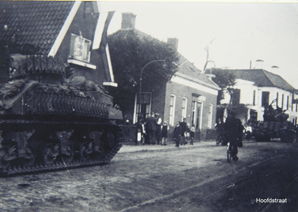
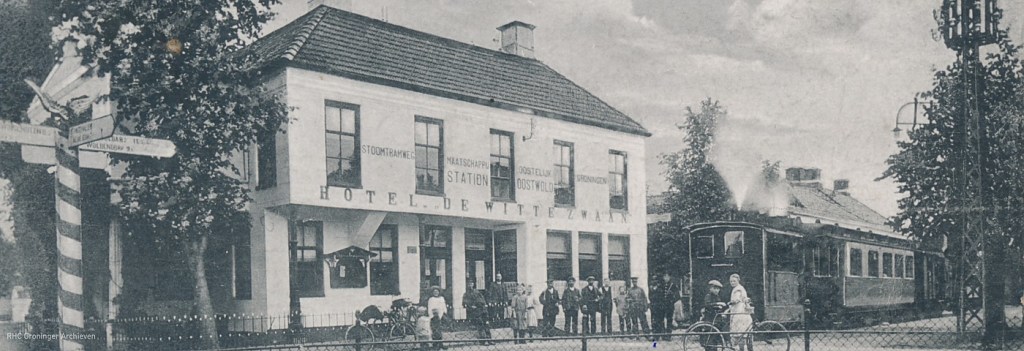
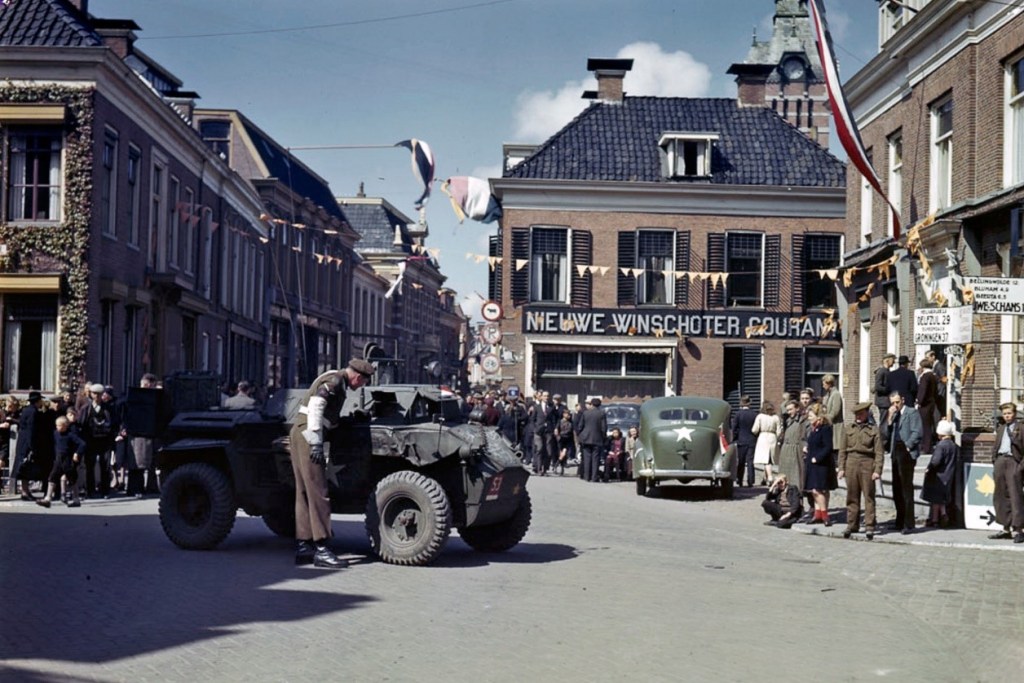
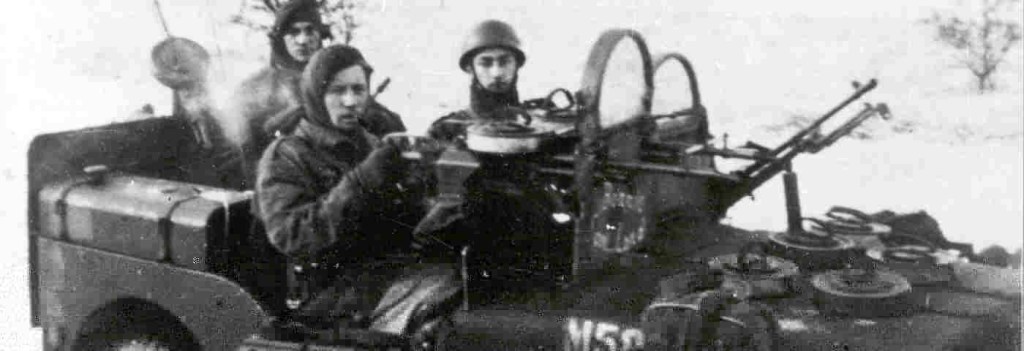
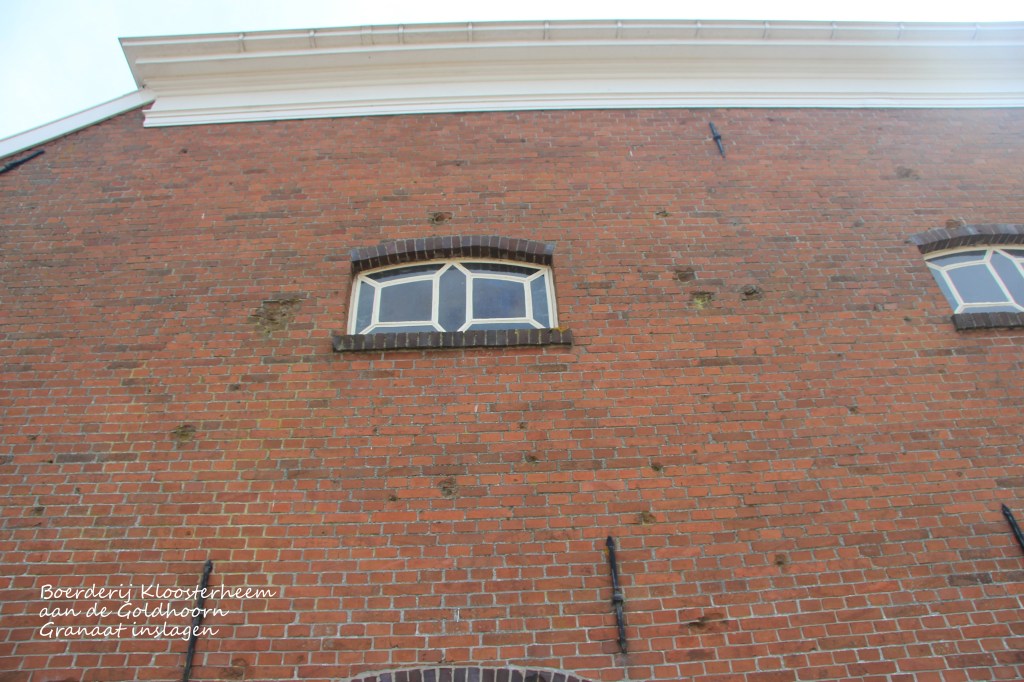
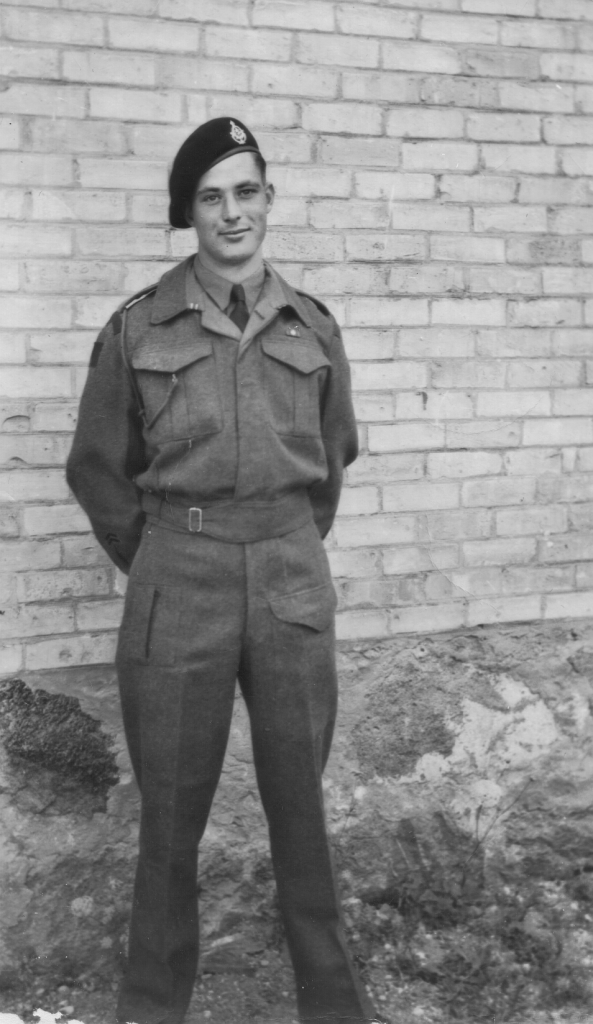
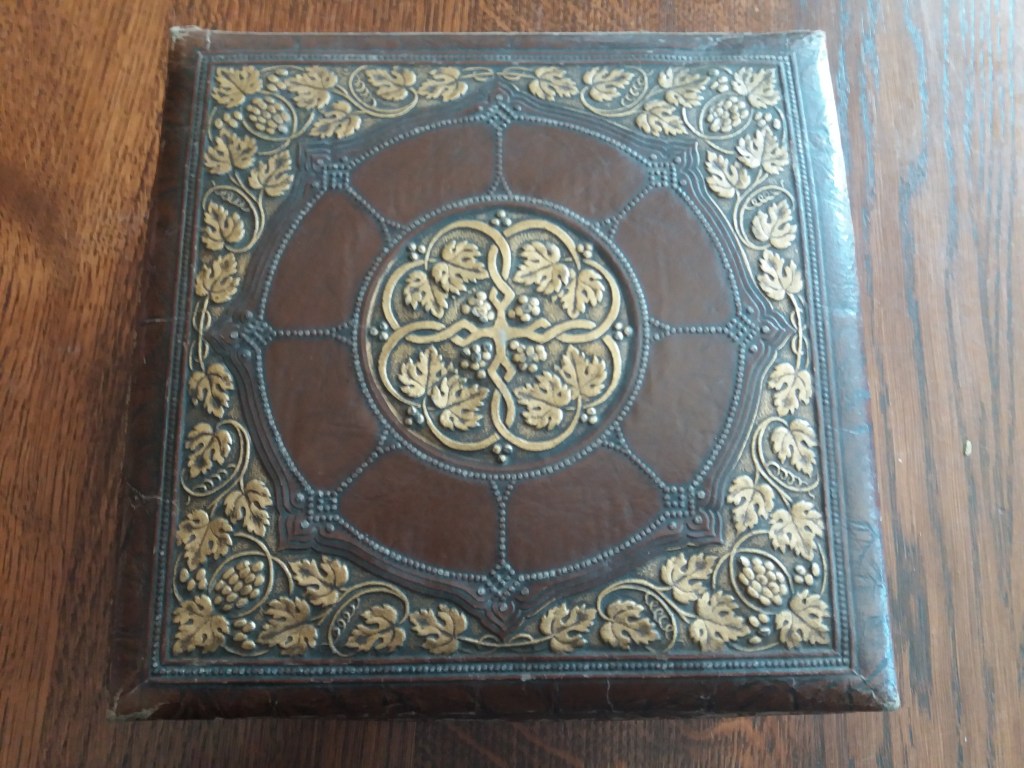

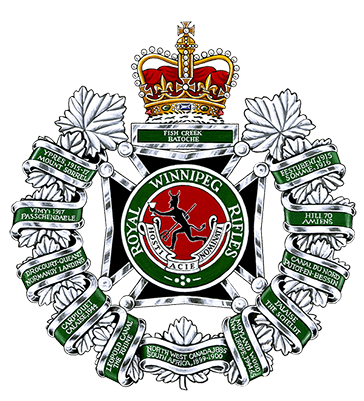
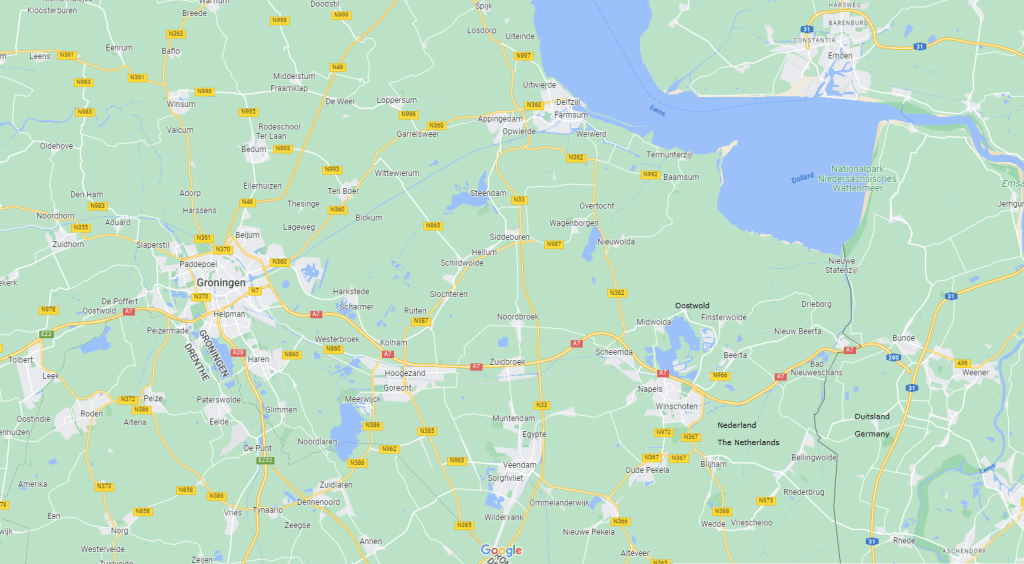

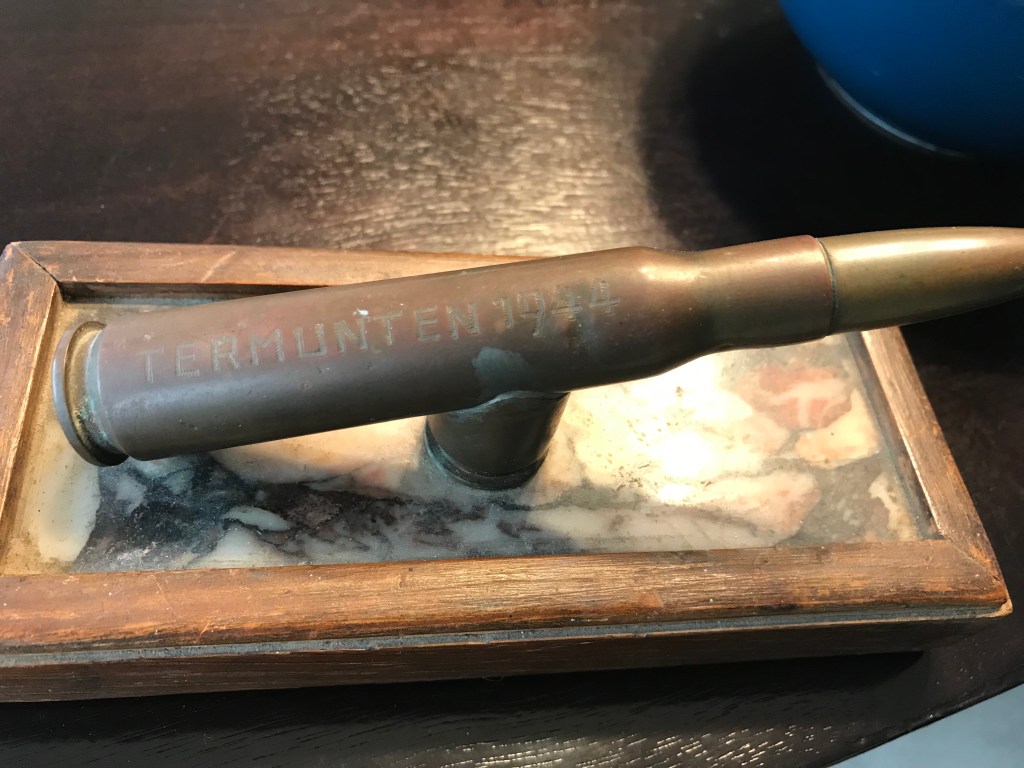
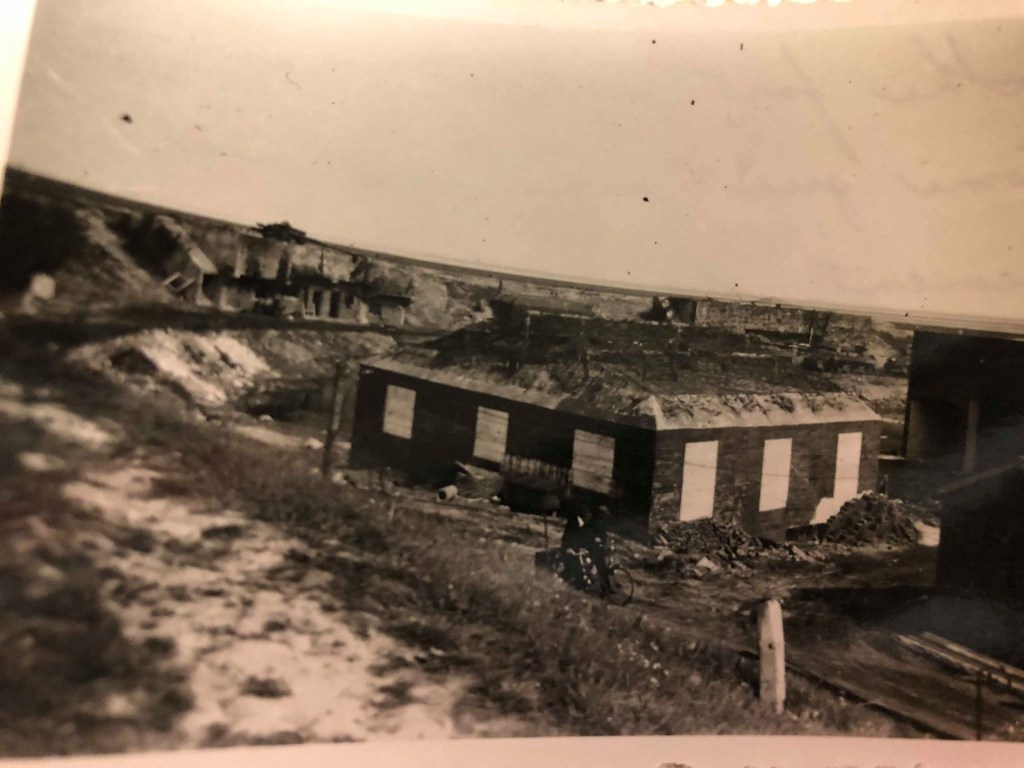
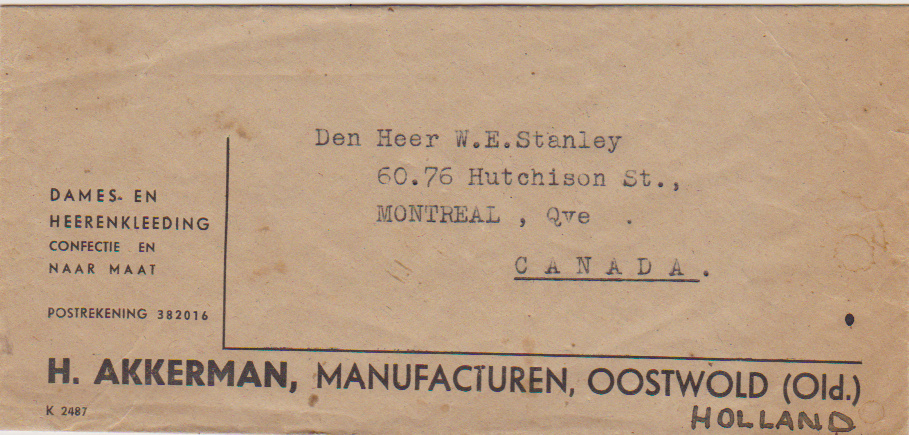
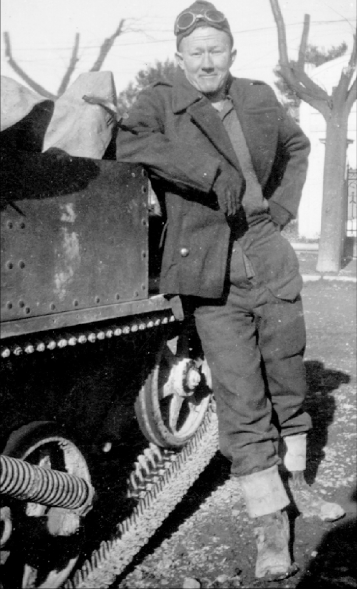
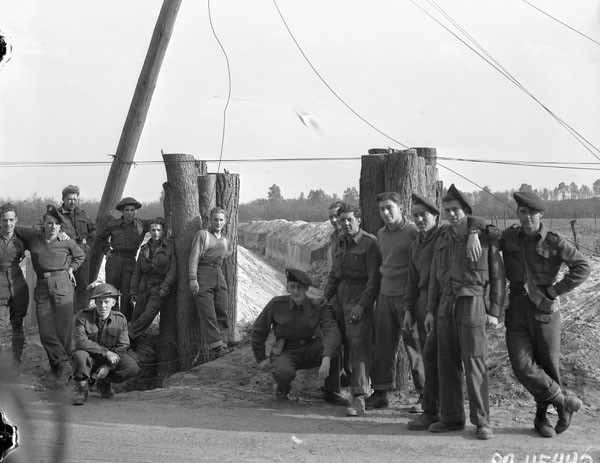

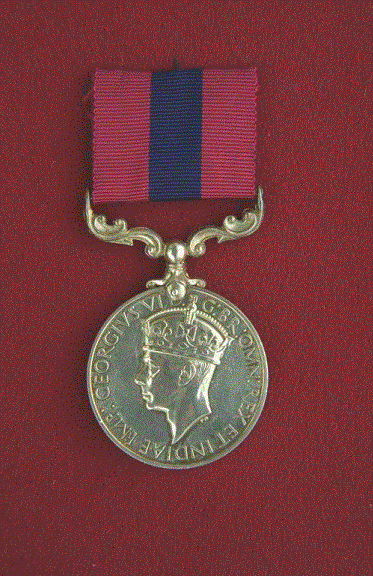
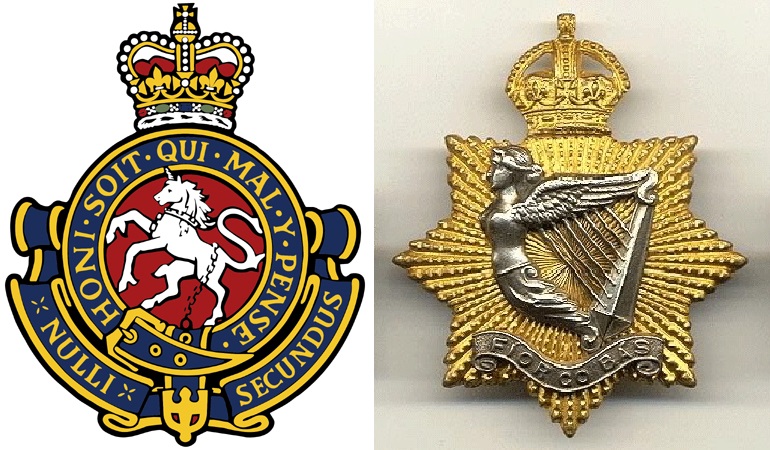

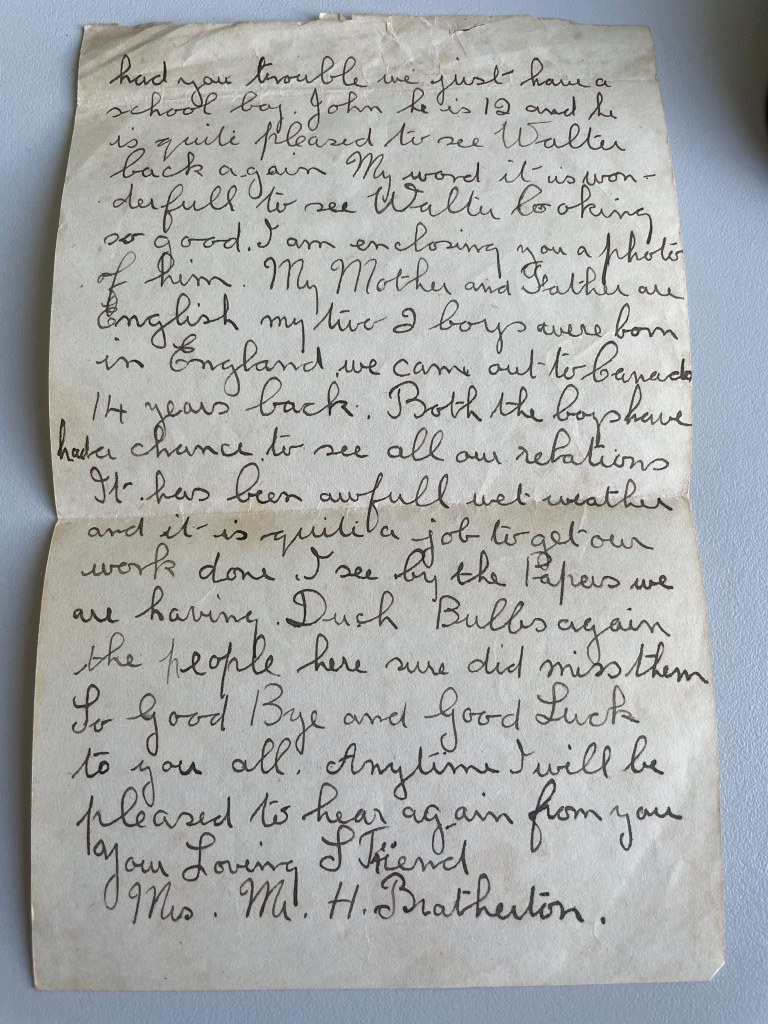
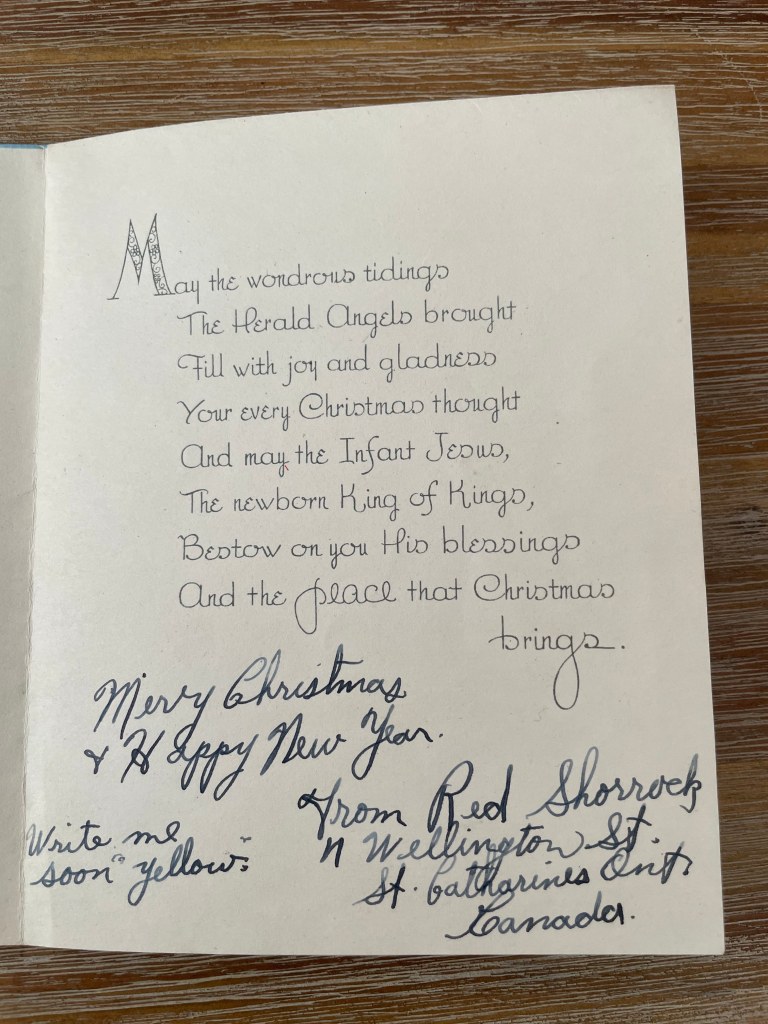
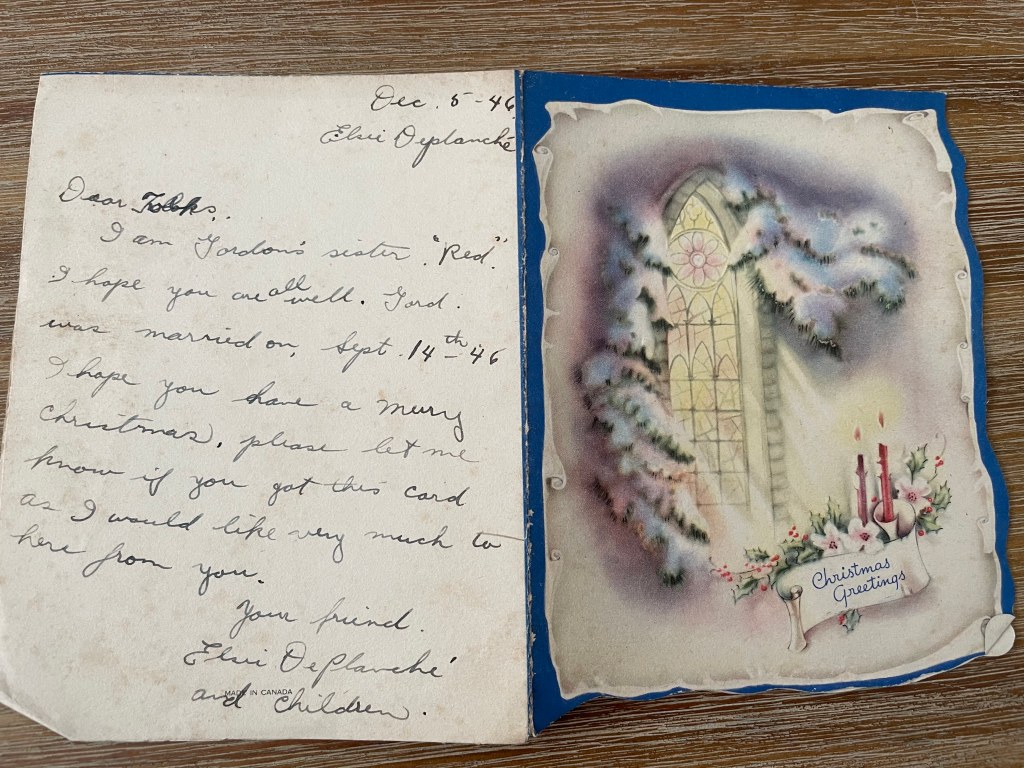
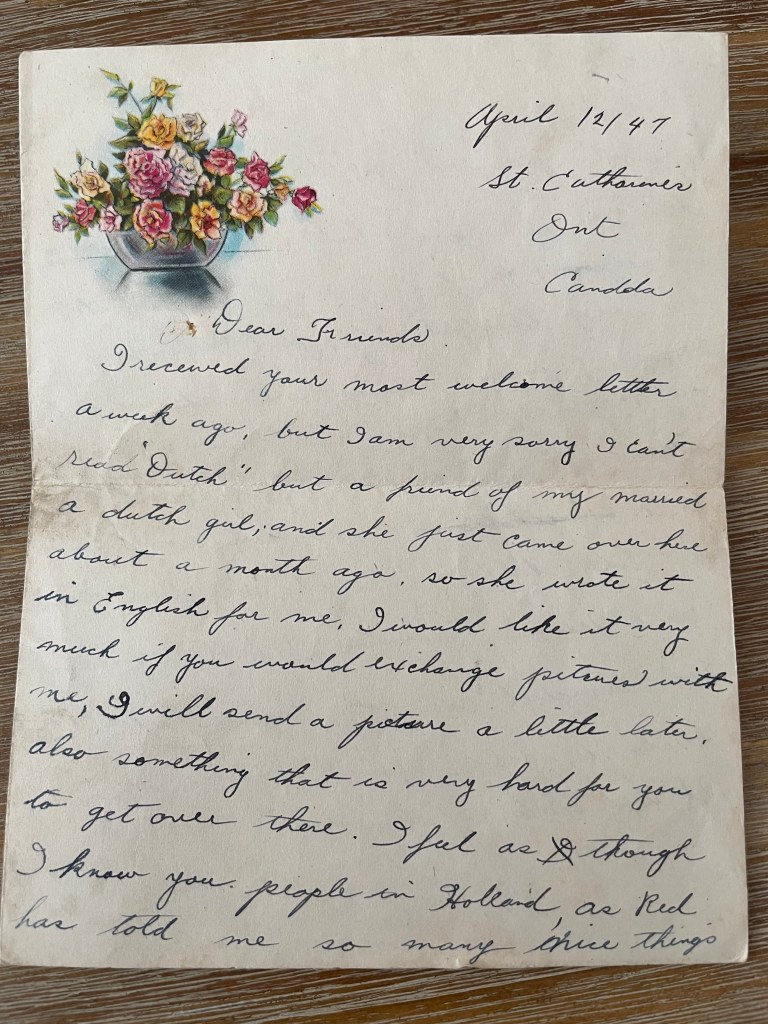
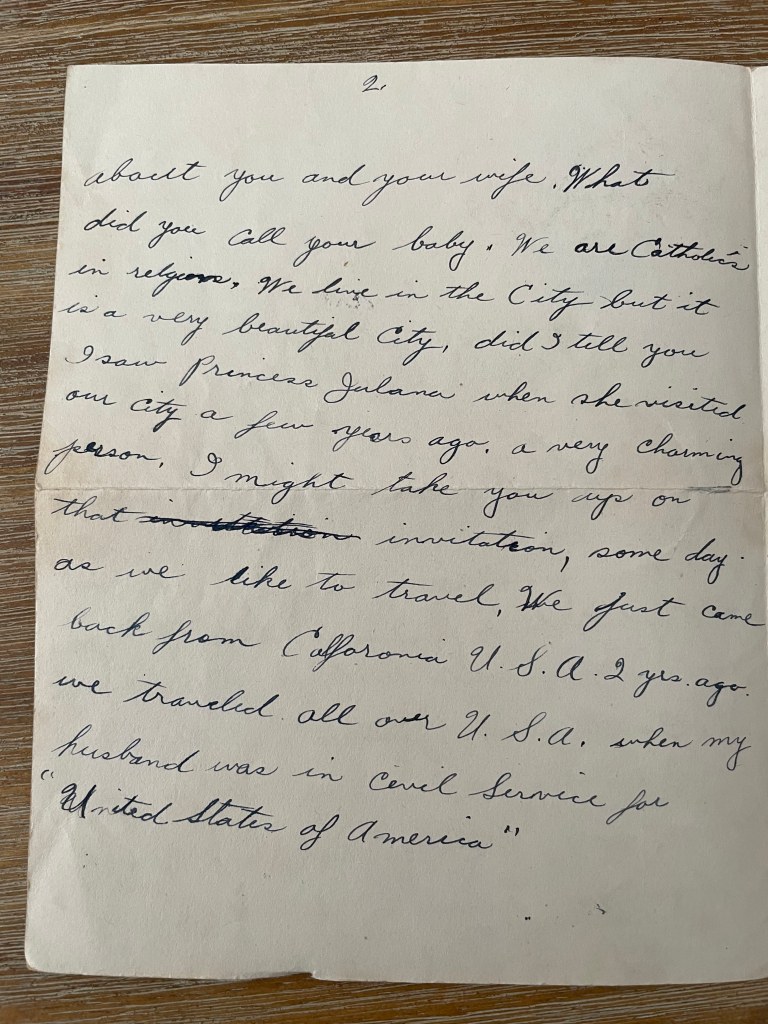
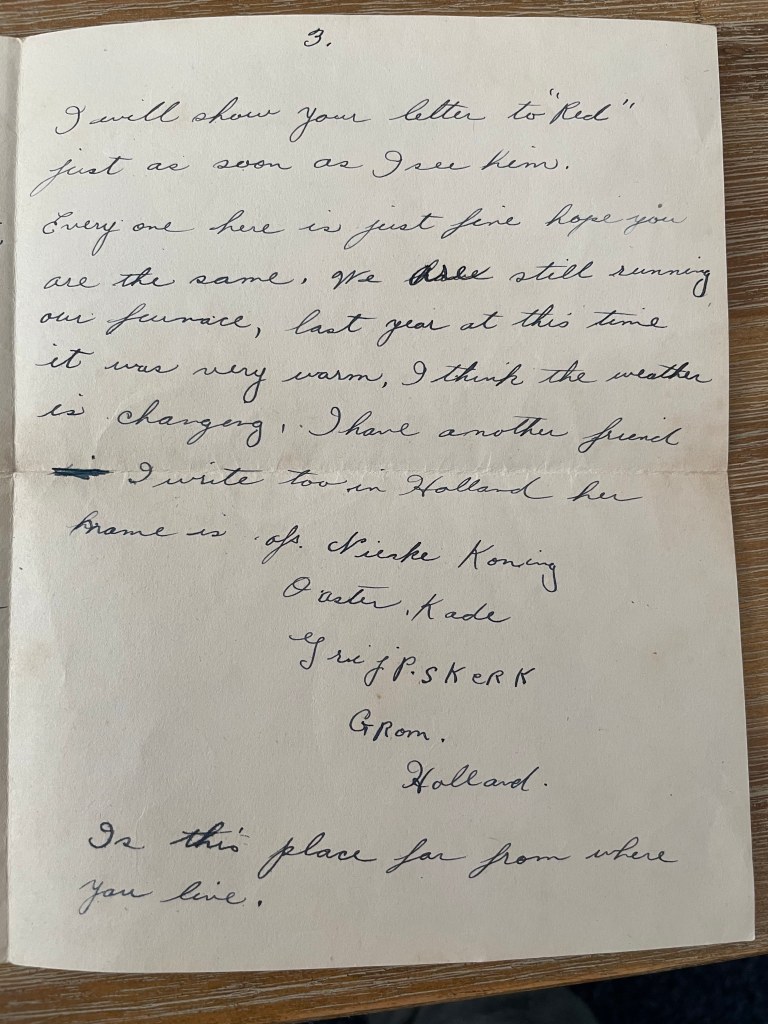
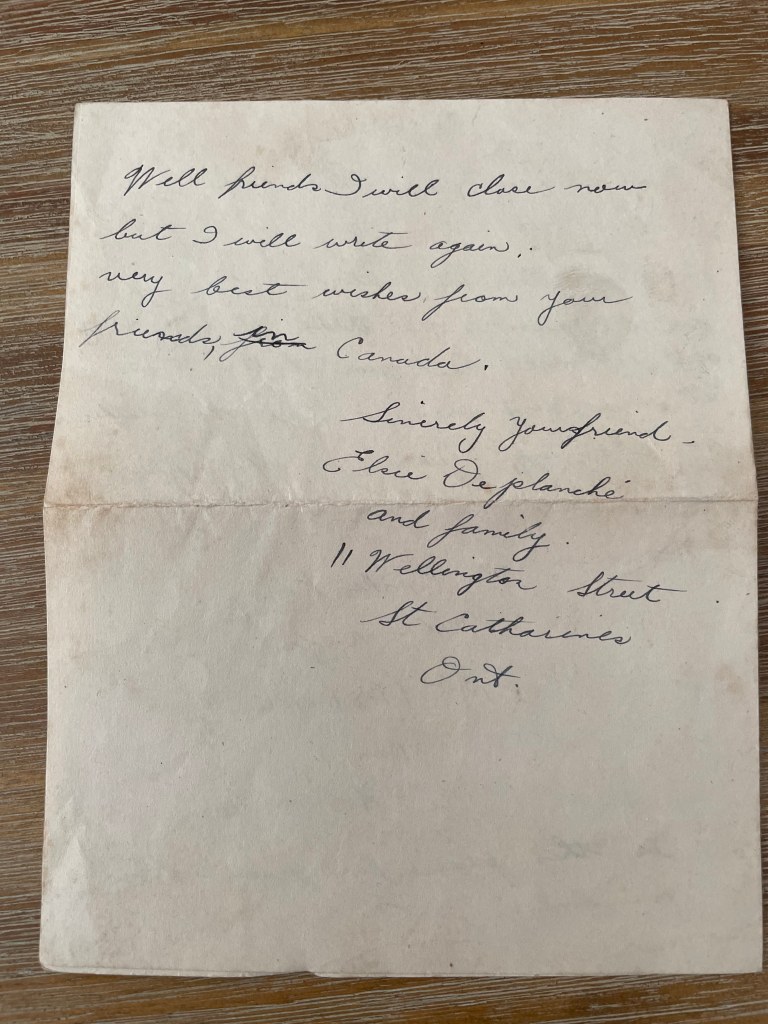
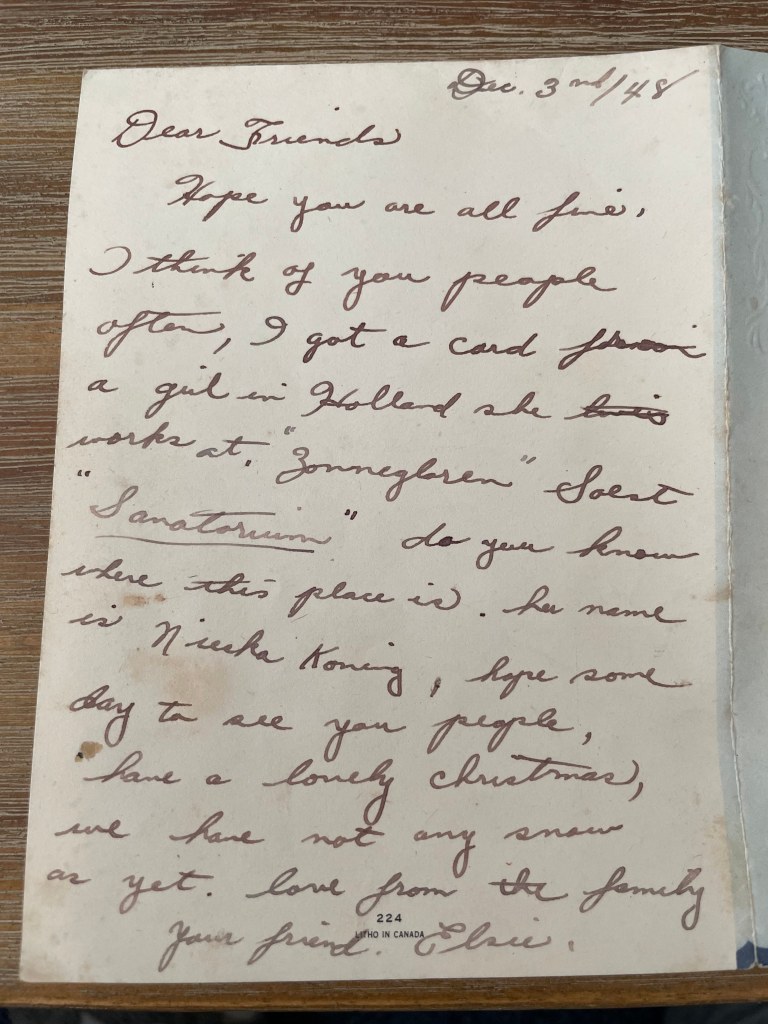

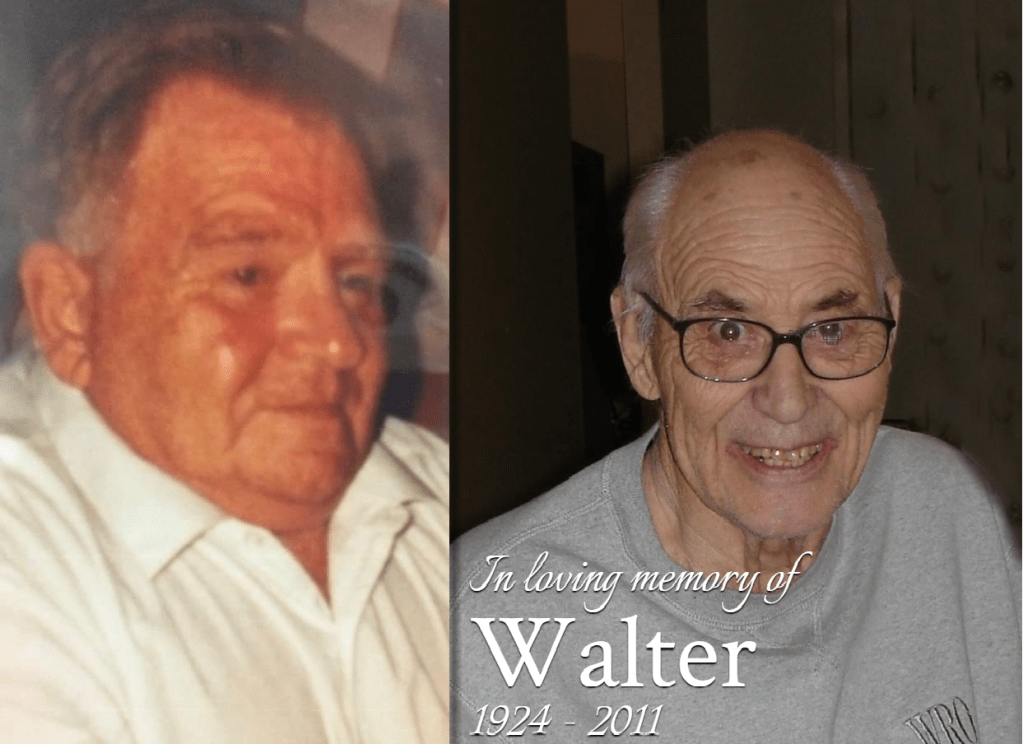

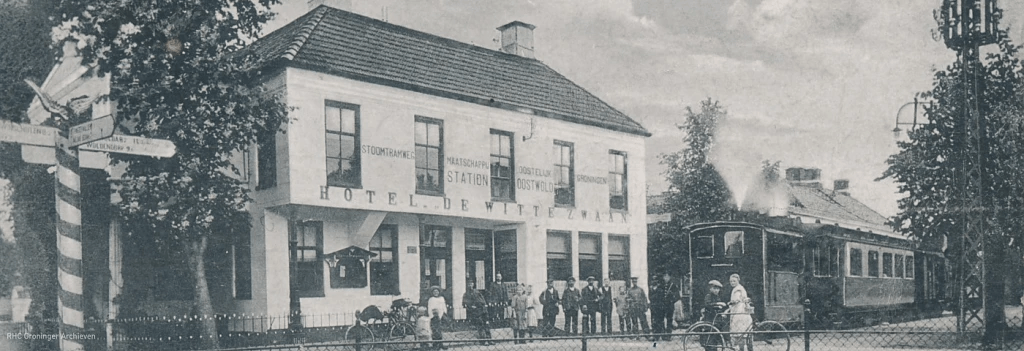

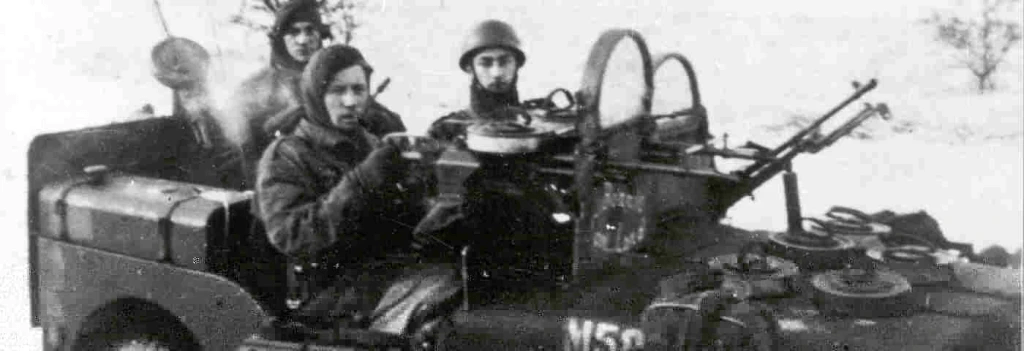
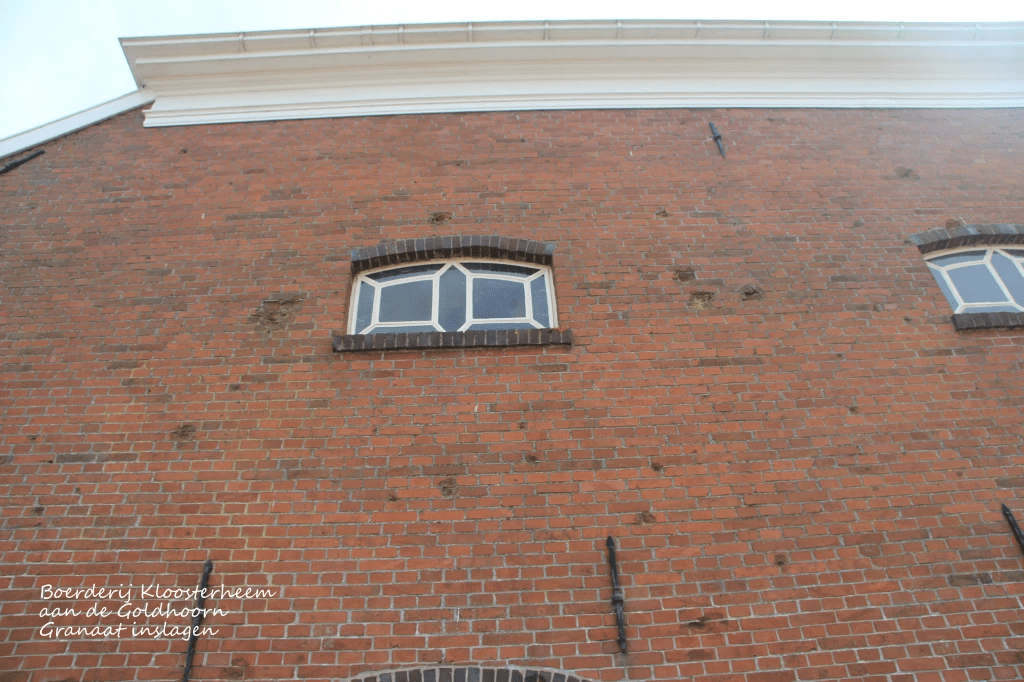
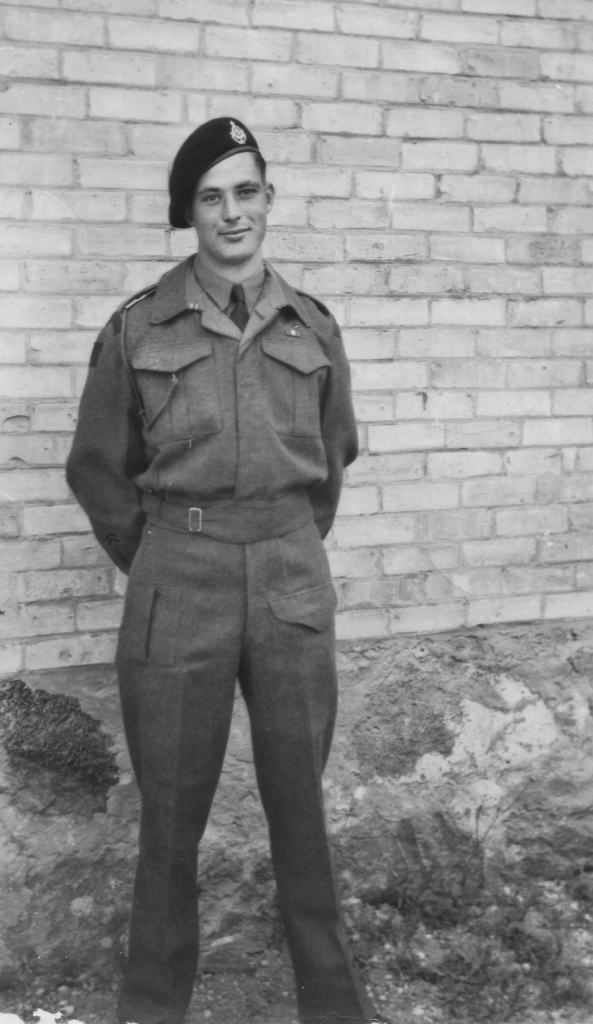

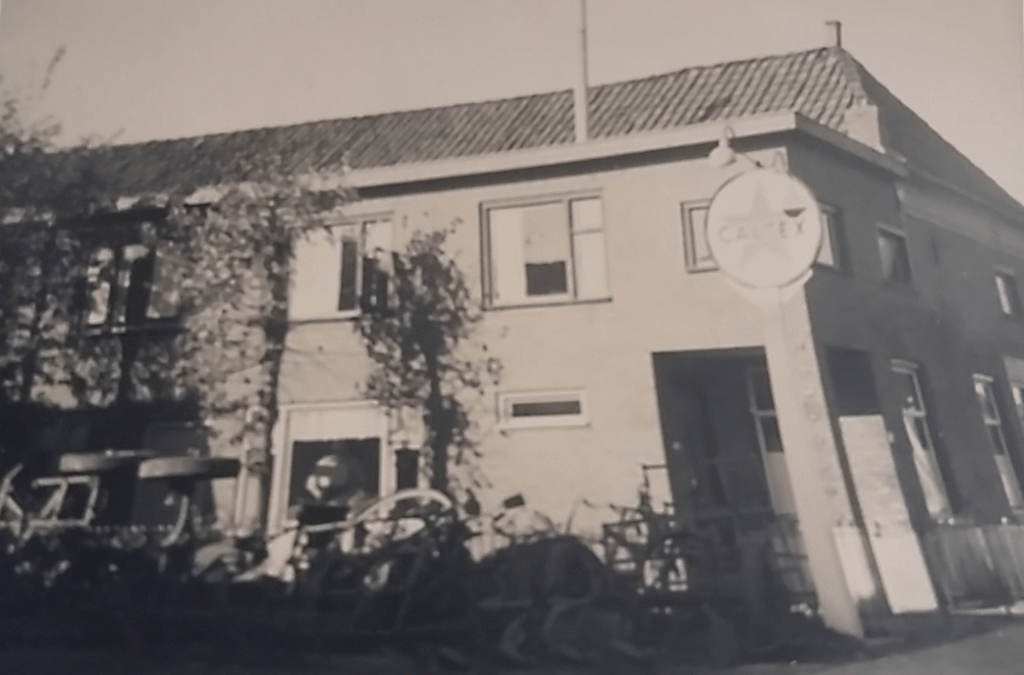

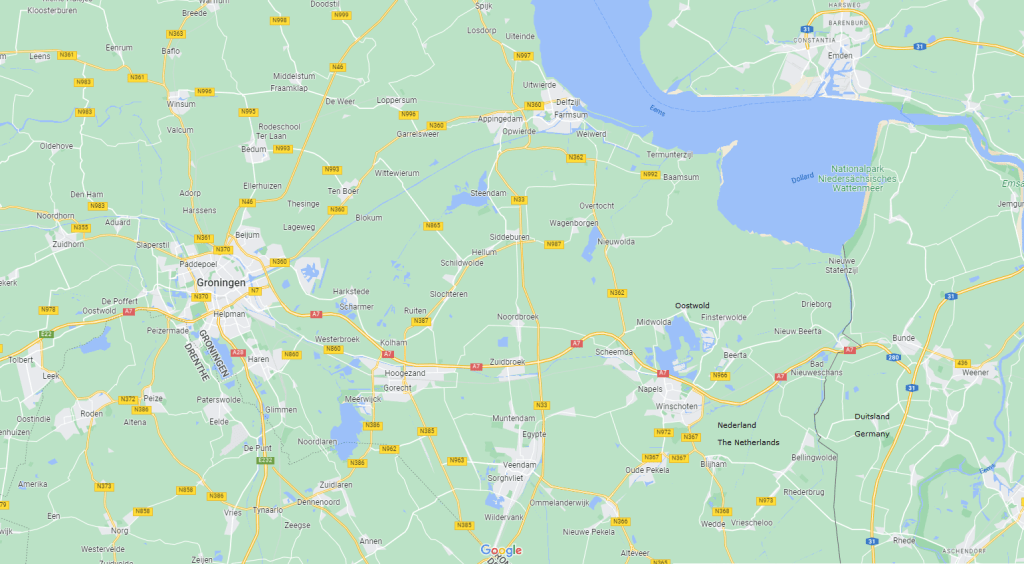

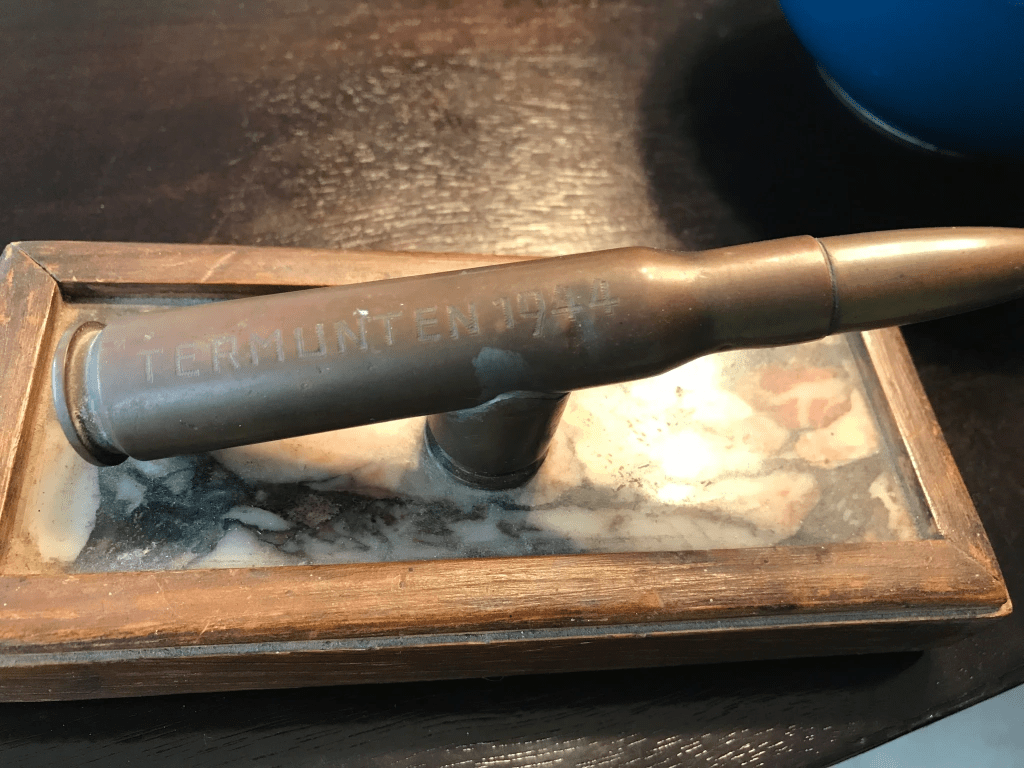
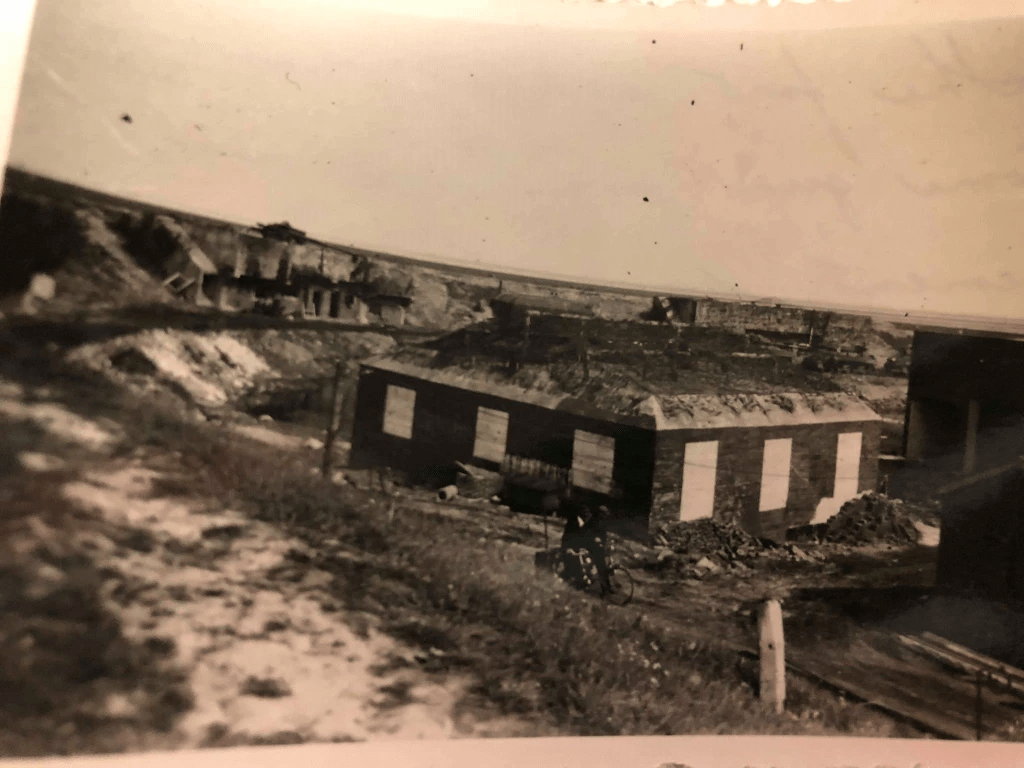


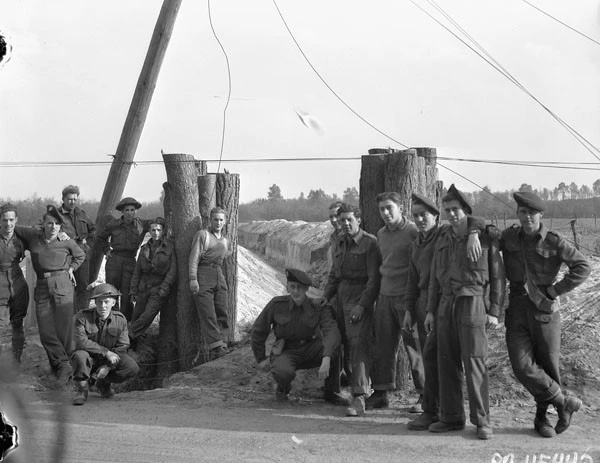


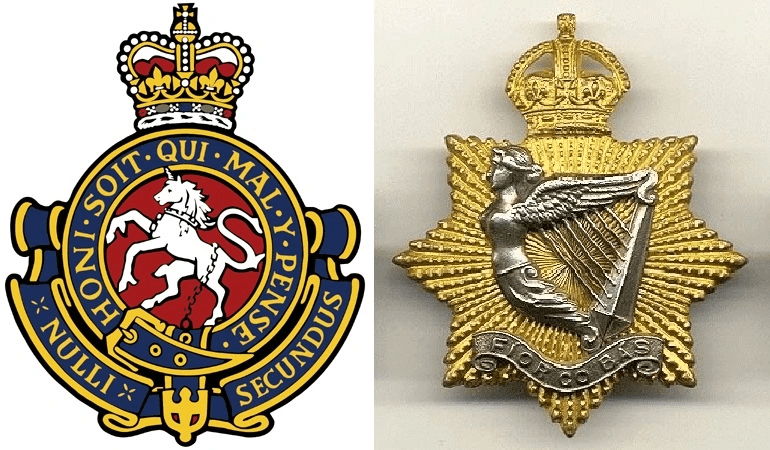
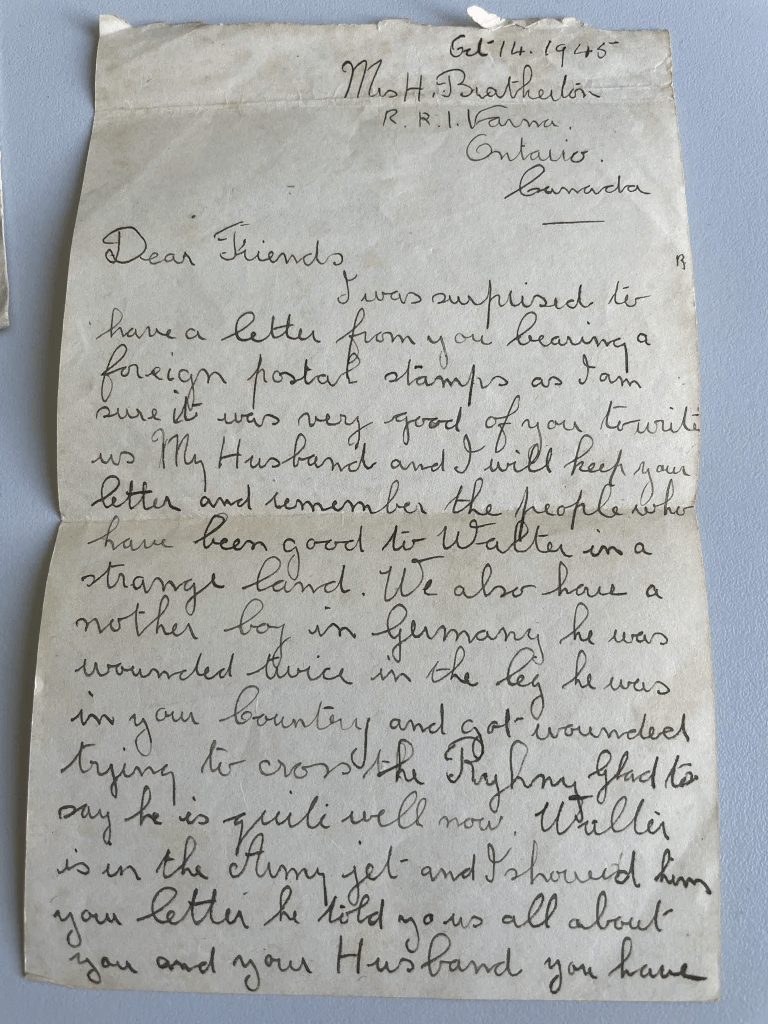
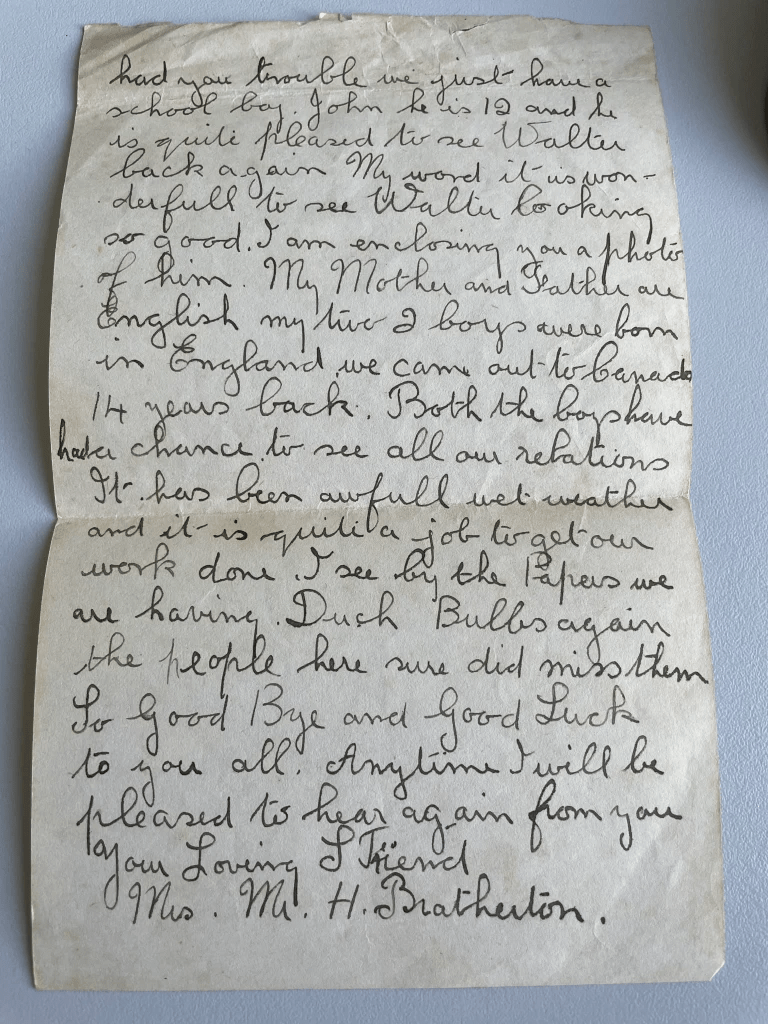
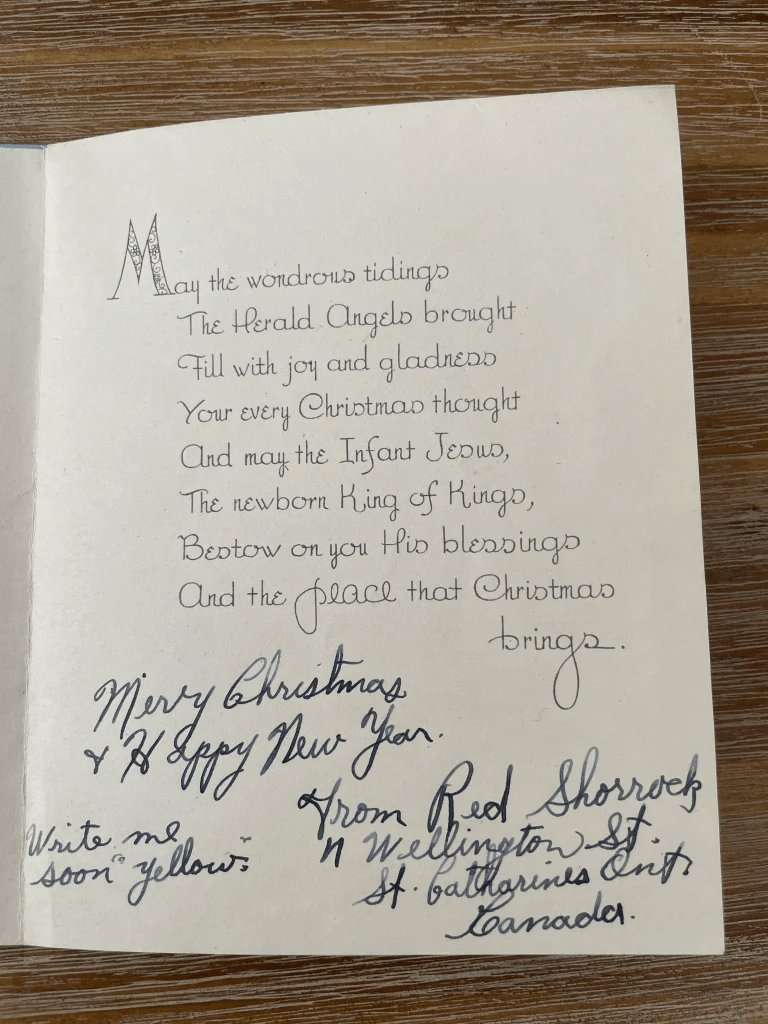
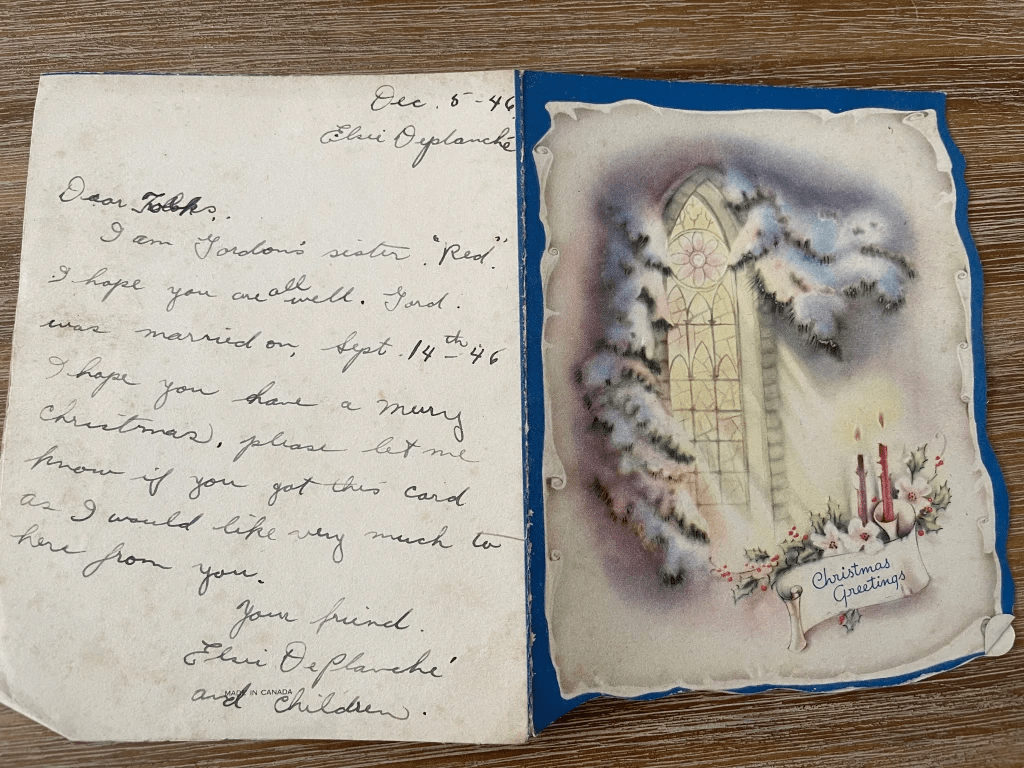
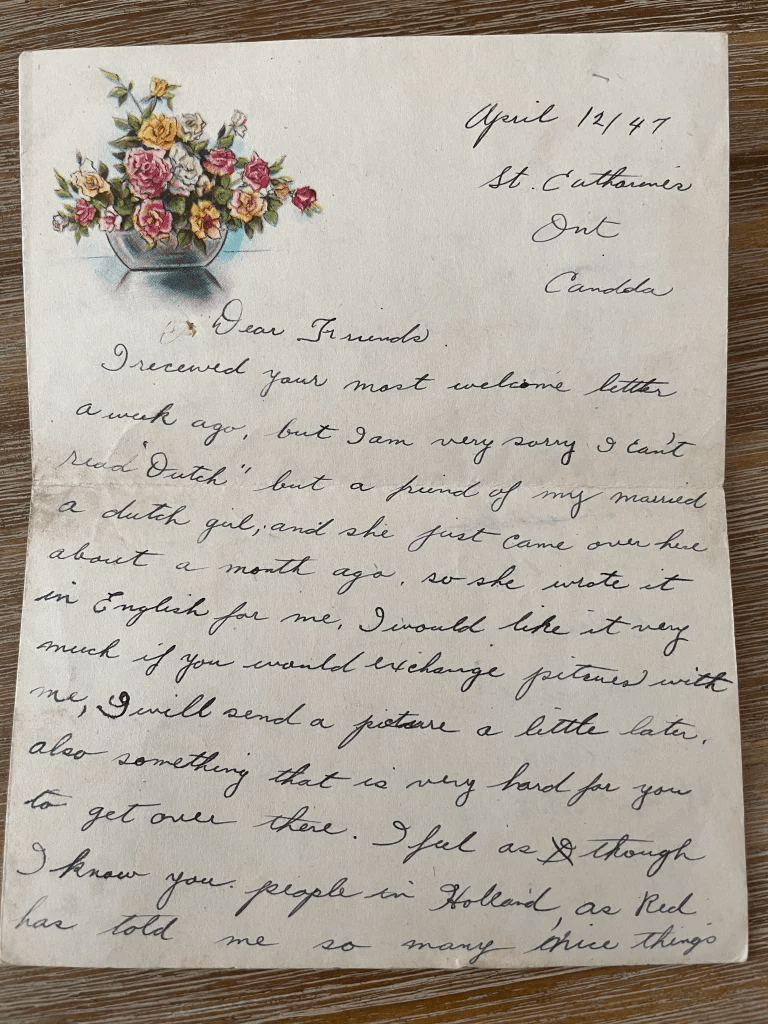
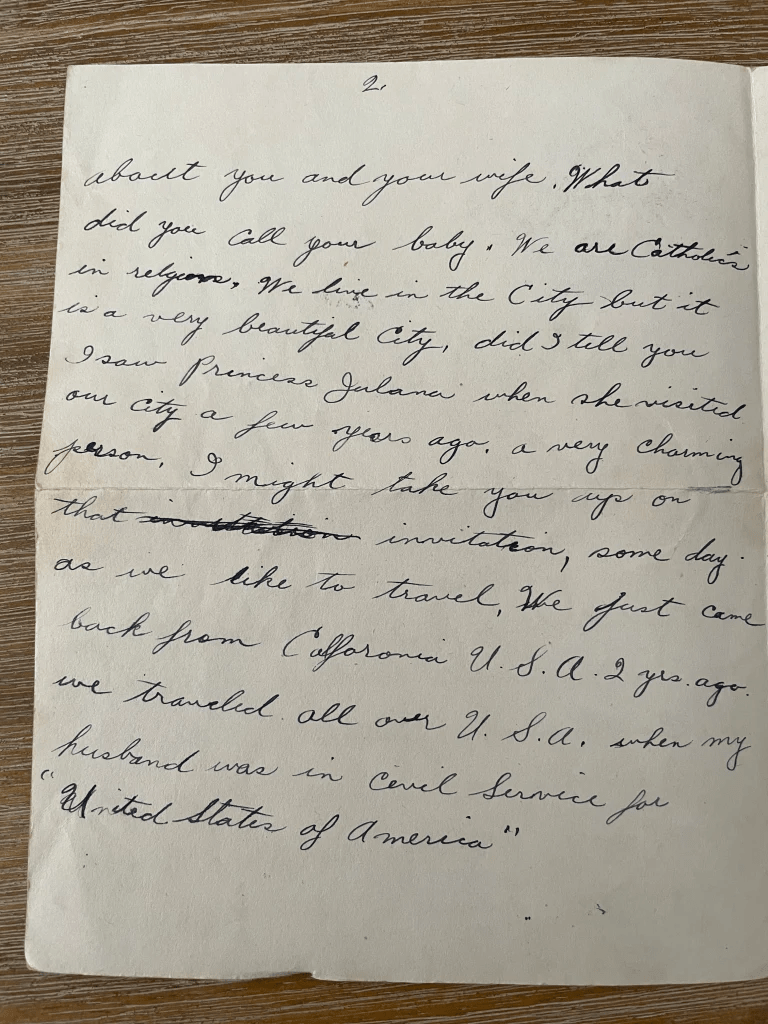
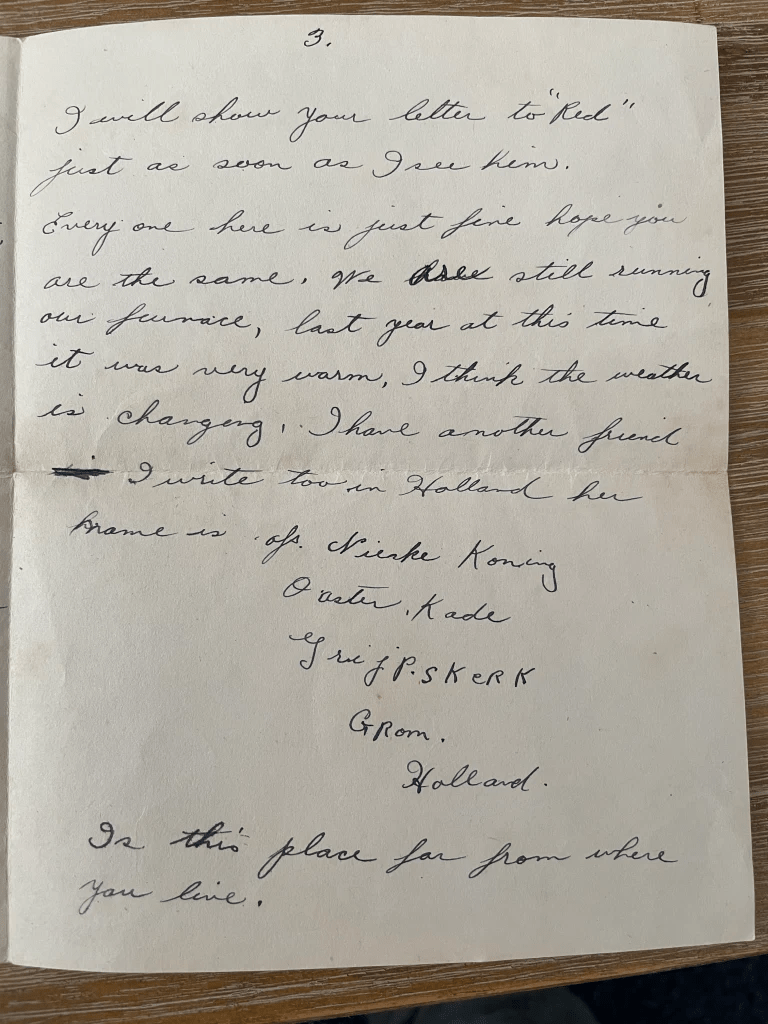
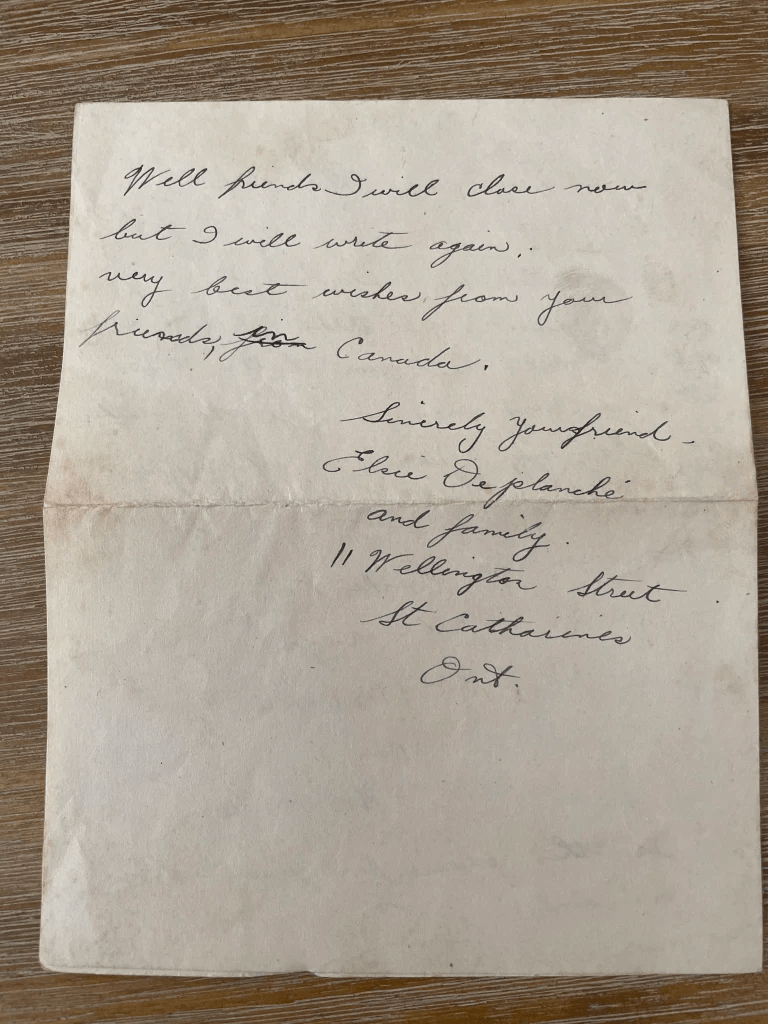
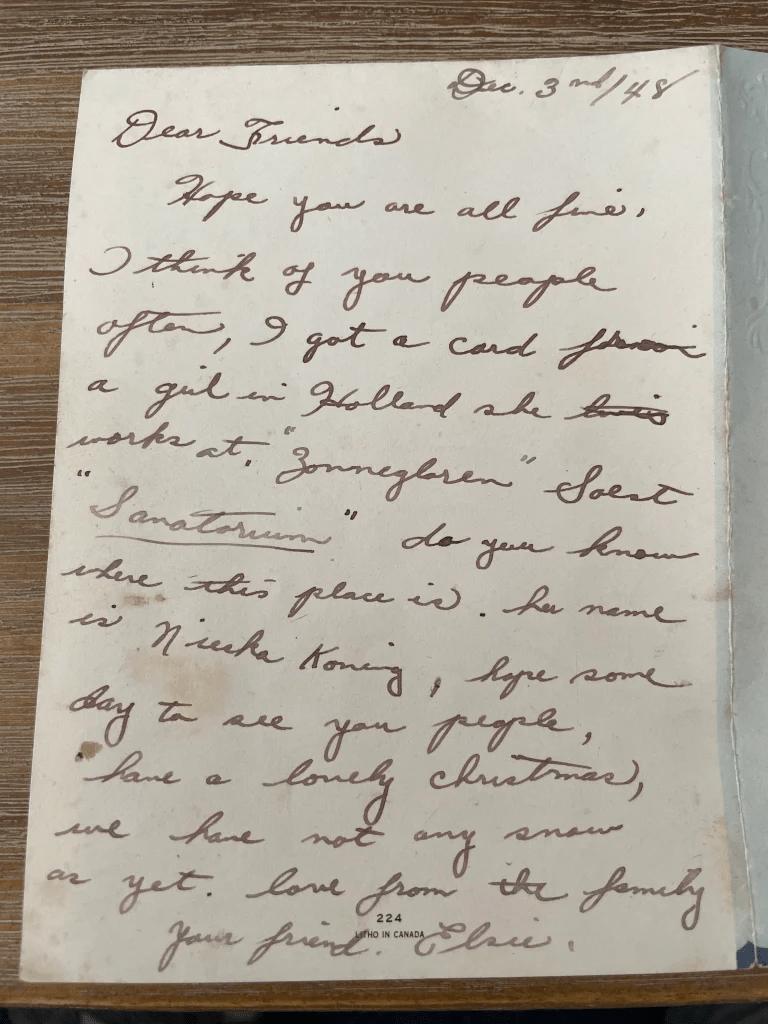

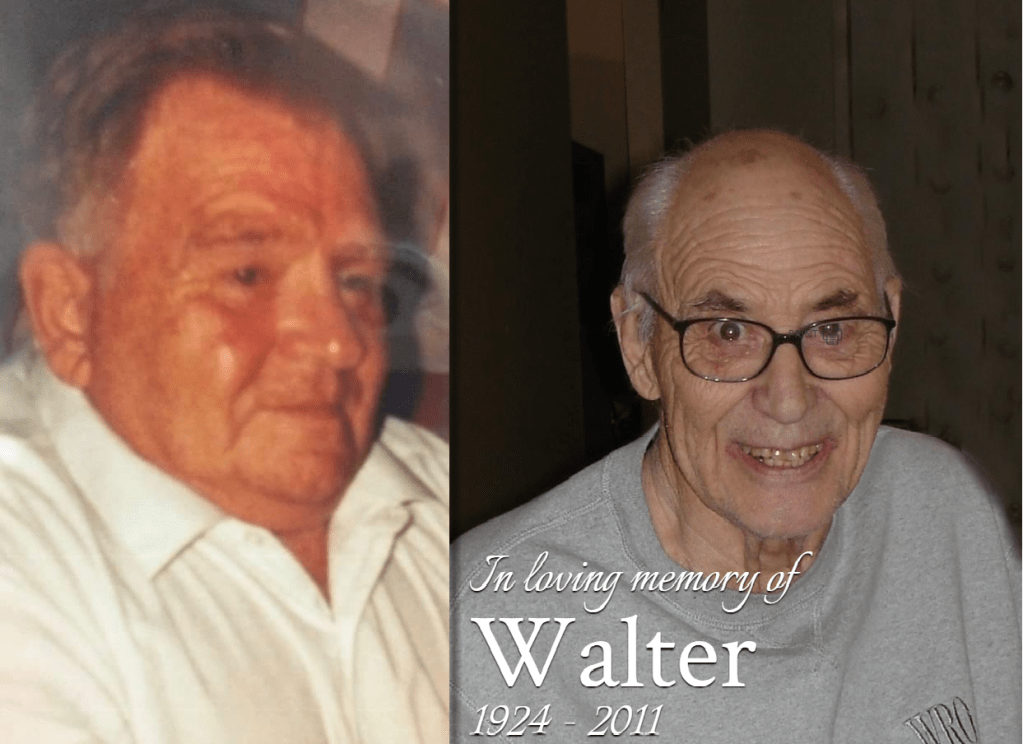
 HEKMAN CONNECTED